The Patriarchy and the Pussy
My art has always been related to the body and the consciousness of it, and I didn't realize how important sex education is in the way people perceive their own bodies.
—Maria Conejo
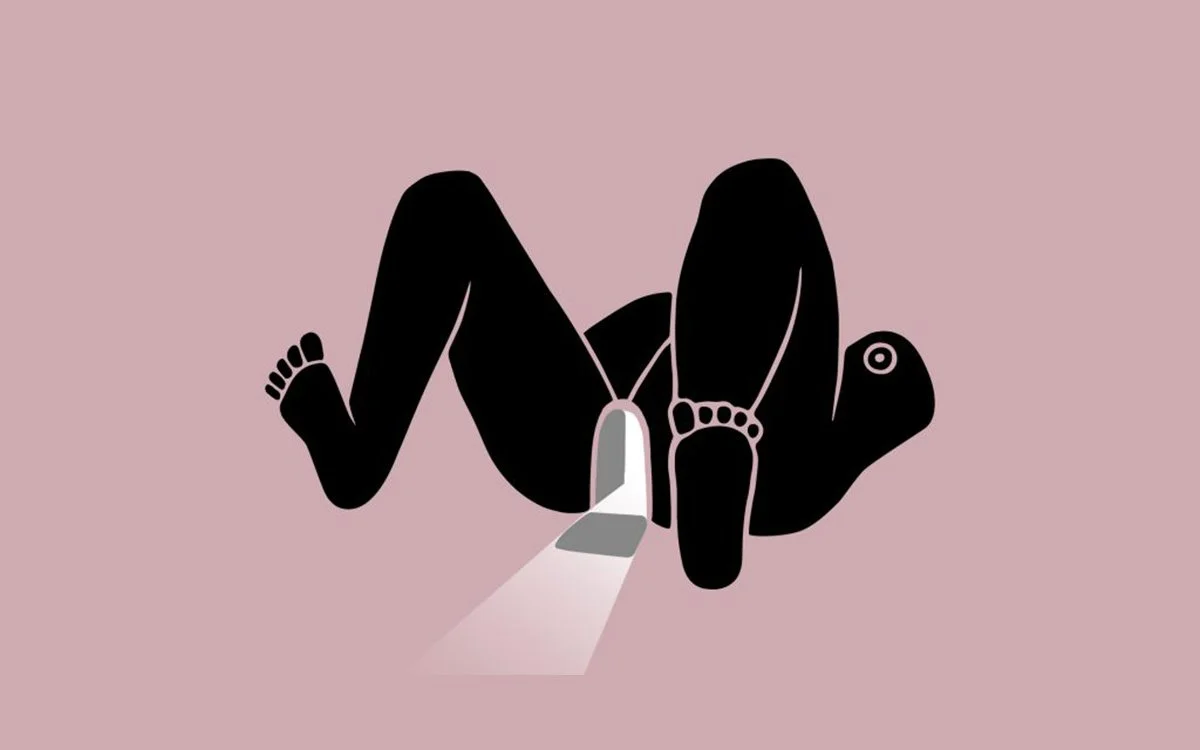
There is a proverb that says tall trees catch more wind. Like Tall Poppy Syndrome, it means those who stand out invite criticism, so it’s best to keep your head down and blend in.
Artist and illustrator Maria Conejo is a tall tree who hails from a small town just a few hours south of Mexico City. In this predominantly Catholic culture, the patriarchy rules and women are disposable. They are expected to conform, to be quiet, and to not stand out—especially in a country where femicide is a very real and constant threat. Every day, ten women are killed in Mexico and in just five years femicide—the murder of a woman for gender-based reasons—has increased by 137%.
Talk freely of the body, the clitoris, the penis, and sexuality in general and you’re painted into a corner—even in the country’s most liberal city.
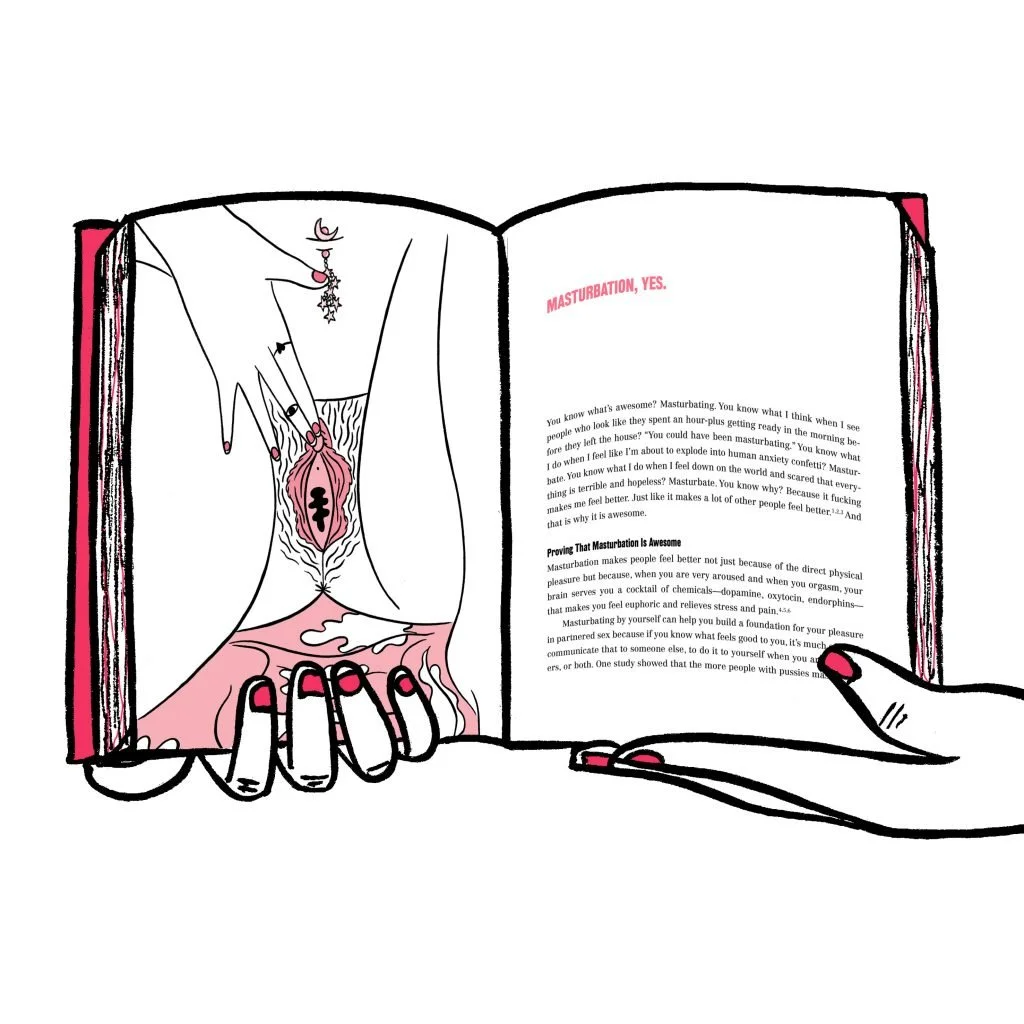
In CDMX, Conejo wears the metaphorical scarlet letter. Nude, headless women populate paper and canvas. Her graceful, simple lines allow figures to dance, float, and kneel amongst flowers and flames. When it comes to her commissioned illustrations, Conejo is intentional, working mainly with women- and queer-owned businesses on themes important to her: body-related topics, sexuality, inclusion, diversity, and food. Collaborating with feminist organizations to help prevent gender violence, she openly shares her views on feminism, health, and sexuality.
So, when she and Zoe Mendelson set out to co-found Pussypedia.net, a bilingual, gender and ability inclusive encyclopedia of the pussy, Conejo already had the deck stacked against her. And she was just getting started. With words by Mendelson and illustrations by Conejo, Pussypedia, A Comprehensive Guide (Hachette Books) was published in 2021.
Two women in Mexico City, one American and one Mexican, saw huge gaps in the information available to them about their bodies and sexual health. “We realized that there was good and bad information about pussies on the internet,” remembers Conejo. “The good content was behind paywalls and written in a very complex language, without images or diagrams to reflect the real diversity of pussies that exist.”
A collaboration was born. Mendelson would translate the dense and complicated concepts into a clear, concise, and modern language, and Conejo would illustrate a bold, shameless and non-judgmental way to look at bodies, self-care, and pleasure. A Kickstarter campaign launched and the crusade to reclaim the word pussy began with Pussypedia.net.
The patriarchy and the pussy
“We propose a new gender-and-organ-inclusive use of the word which means some combination of vagina, vulva, clitoris, uterus, bladder, urethra, rectum, anus, and who knows maybe some testes.” This new definition of the word pussy begins Pussypedia.
The fact that a Mexican woman who grew up under a thick cloud of machismo—forcing women into subservient roles for generations—and a lack of comprehensive sex education in schools cannot be overstated.
Conejo weaves the patriarchy and the pussy in and out of conversation. At times, it’s admittedly jarring to hear, as Gen Xer who grew up not saying the “P” word. But the more we learn, the easier it gets. (The word “vagina” is Latin and means sheath or scabbard for a sword. No, thank you.)
Illustrations for Pussypedia began when the world was in lockdown, giving Conejo plenty of time to think. “I was by myself working, going deep into my own thoughts and experiences as if on a silent retreat,” she recalls. “The origin of everything we believe is based on very old ways of thinking. We need improvements in our sexual education, to get rid of these religious beliefs that make us feel ashamed.” The patriarchy is the culprit and has been oppressing sexuality for centuries. And the gaps in education are magnified by gender-based violence. “People need to know about it,” Conejo asserts, “to understand it and to heal. As a Mexican working on this project, it's important, because Mexico is a very machismo country.”
Pink power
Communicating to a bigger audience through the book’s illustrations, Conejo admits, was challenging. The words were written by women from other countries, with different backgrounds and experiences. She needed to create universal images for people to understand no matter if they’re in Mexico City, the US, or anywhere else in the world.
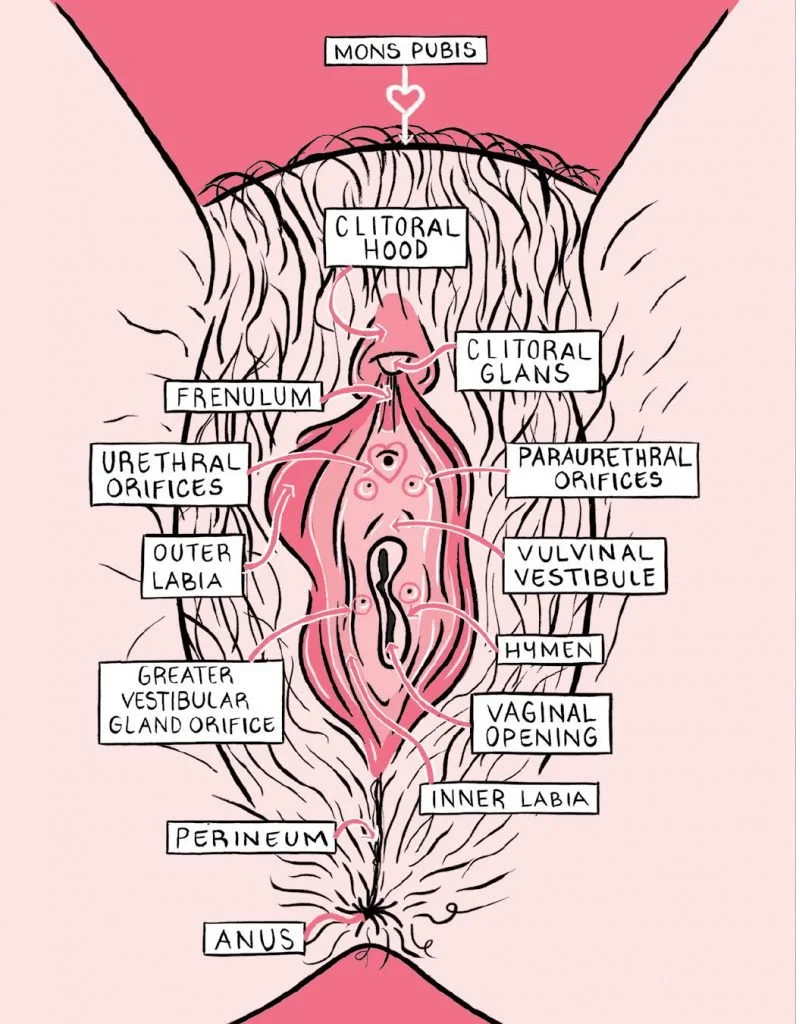
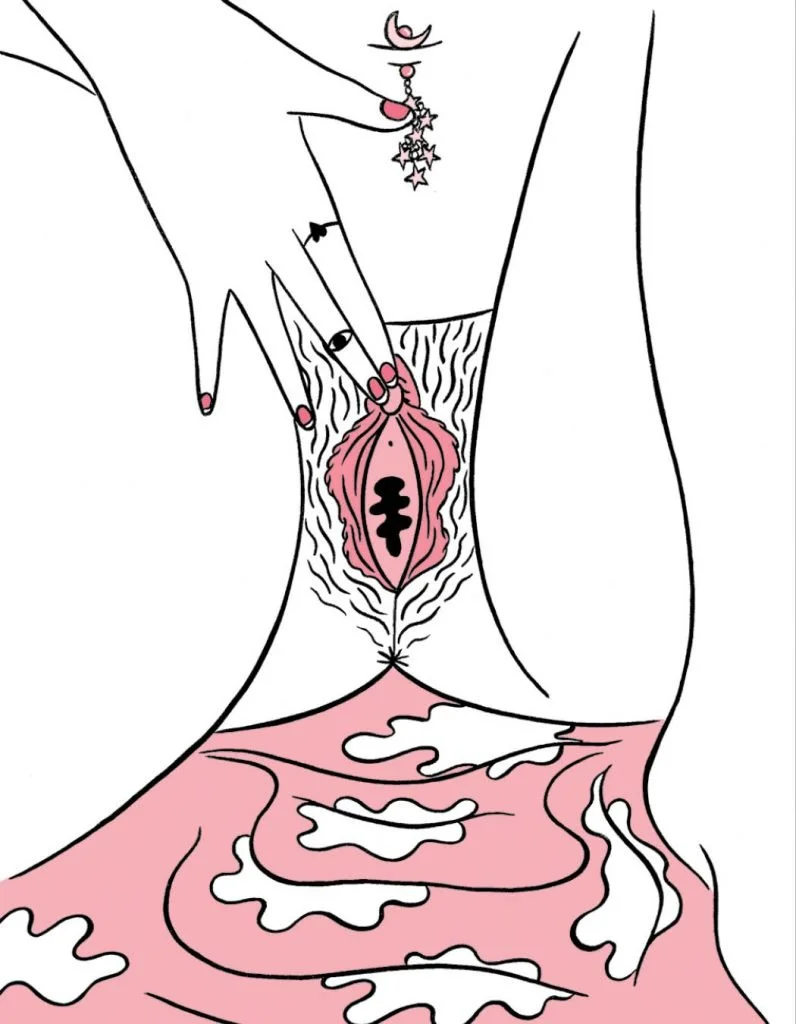
Conejo’s vibrant palette moves from one end of the pink spectrum to the other. Amidst the opaque shades of pink, black-and-white lines delineate details inside and outside the body. The clitoris is depicted anatomically correct and creatively at the same time: pubic hairs surrounding its menagerie of parts hark back to Conejo’s lyrical sketches of headless women.
“I never wanted to use my skills as a designer to convince people to buy or to think they need something that they don't,” says Conejo. “I find more ethical alignment with my values and purpose to use my skills to help people reflect on their relationships with their own bodies.”
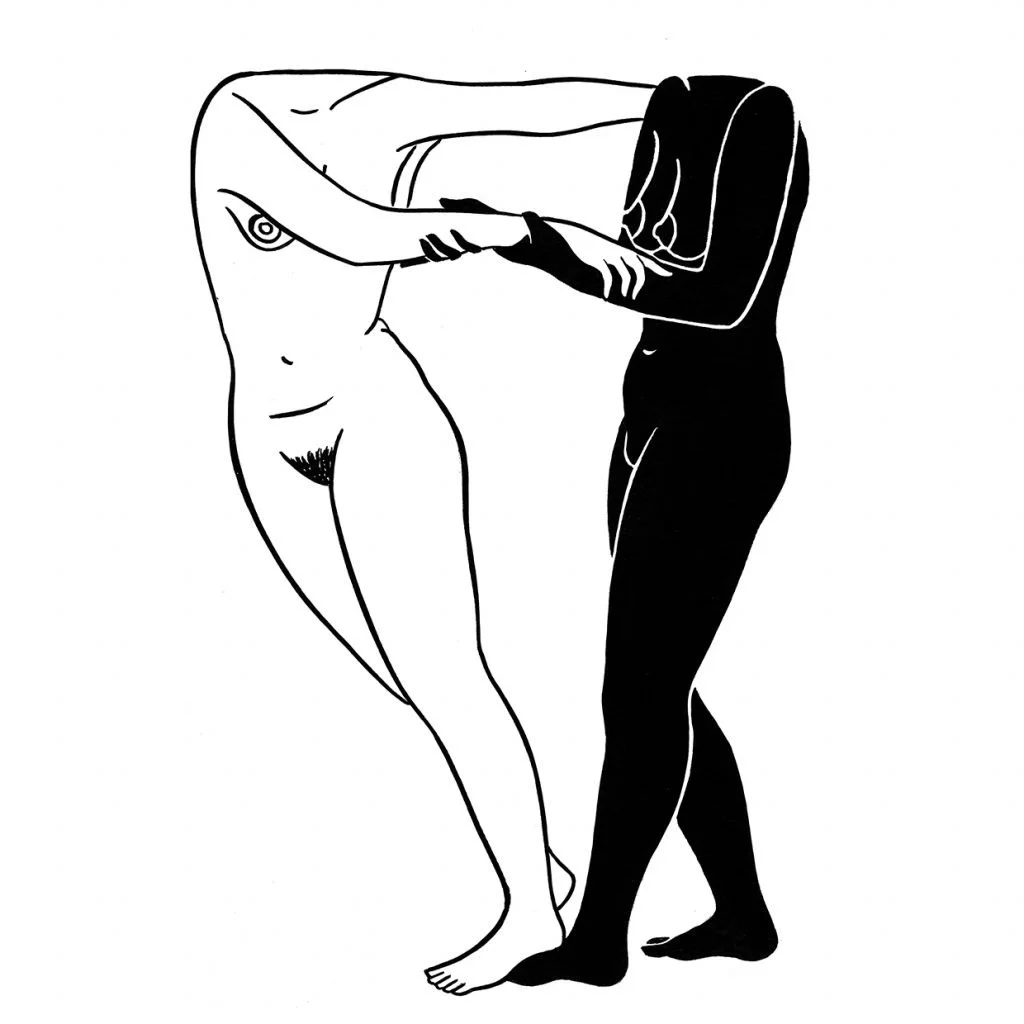
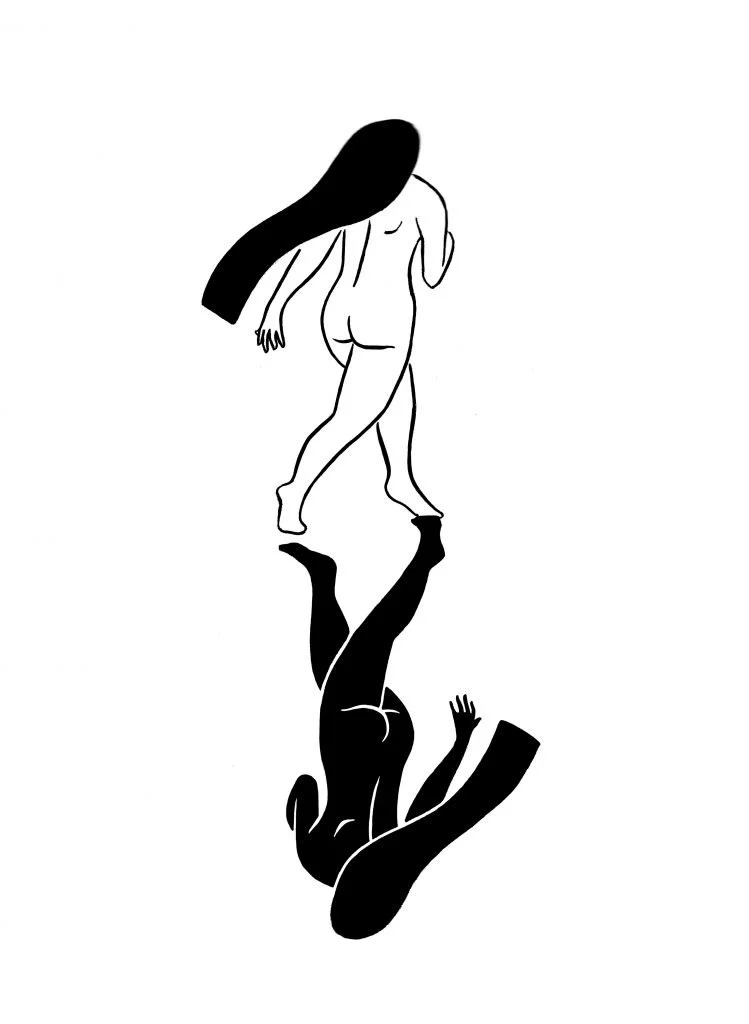
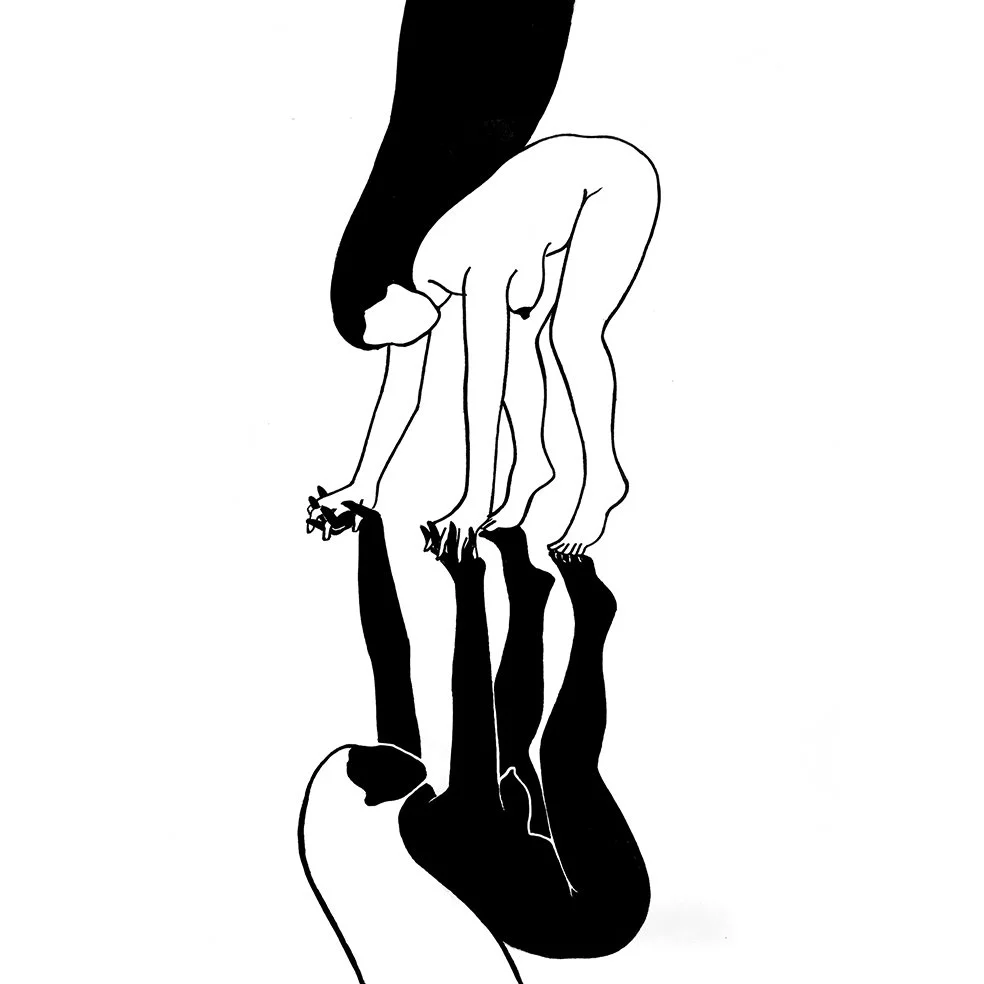
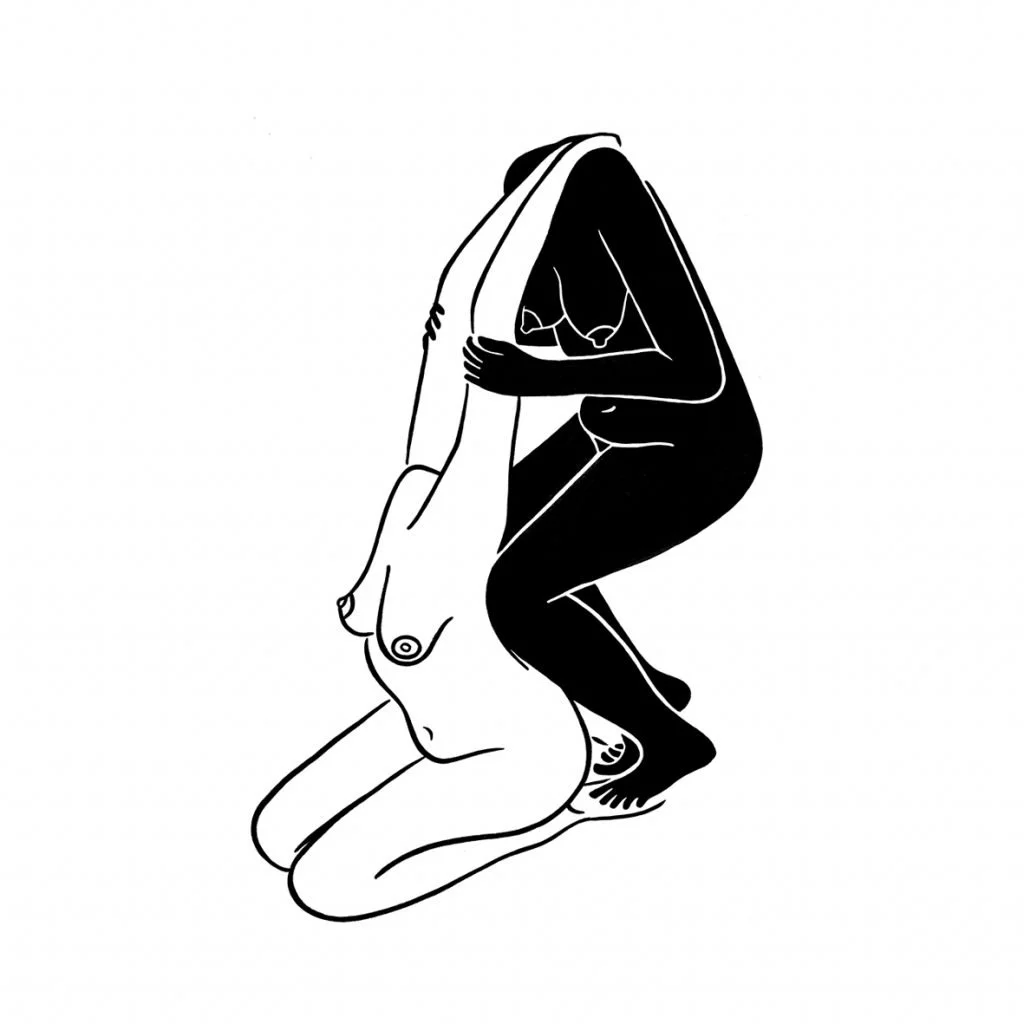
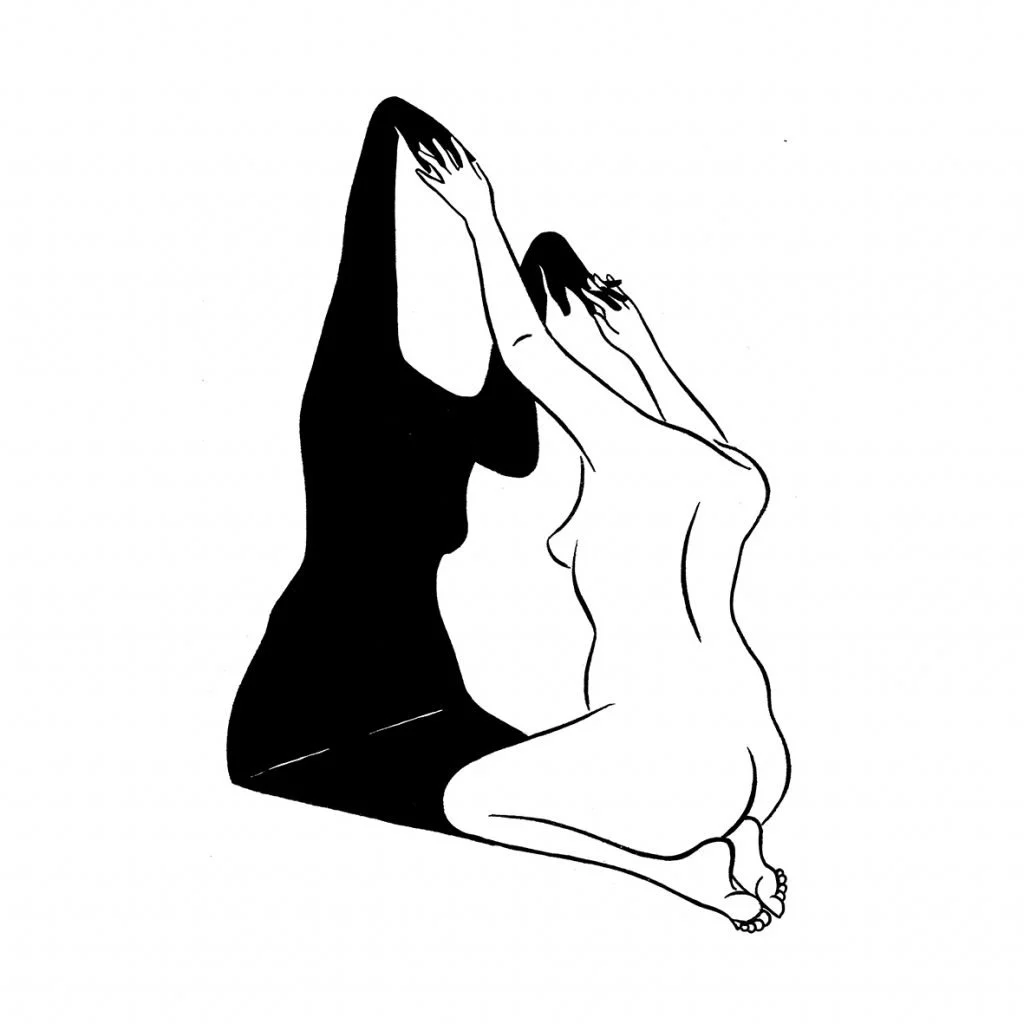
Pussypedia is filling a gap in women’s health. Yes, there have been others who’ve come before, most notably the landmark book Our Bodies Ourselves, but Mendelson and Conejo have built a platform for today’s world in a language we all speak. Taboo topics are tackled in a conversational tone that makes them seem normal and ok. Body parts kids whisper about created as art.
Years ago, when my daughter was 10, I planned to take her to Heart to Heart, a two-day workshop on puberty and sexuality for pre-teens. The night before I questioned my decision. Was it too much too soon? She still believed in Santa. How could she be ready to learn about sex? My neighbor, a nurse, told me calmly, “Knowledge is power.”
Editor’s note: This article was originally published in Eye on Design.