
The Invisible Man
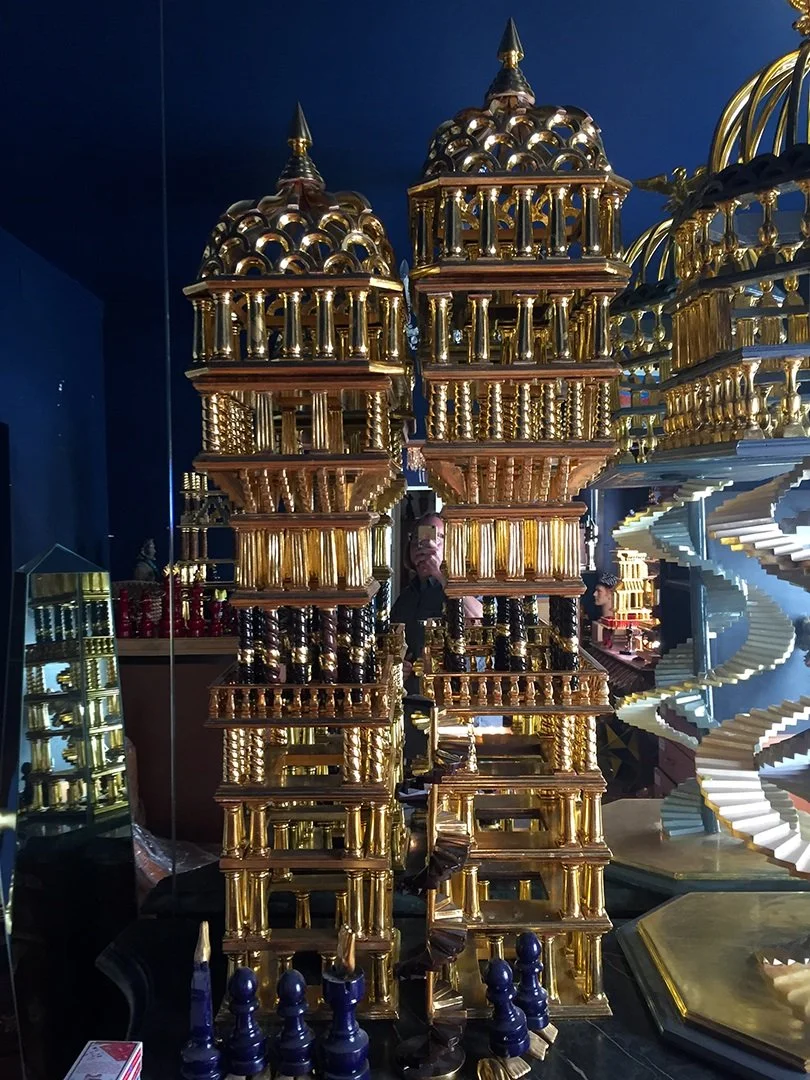
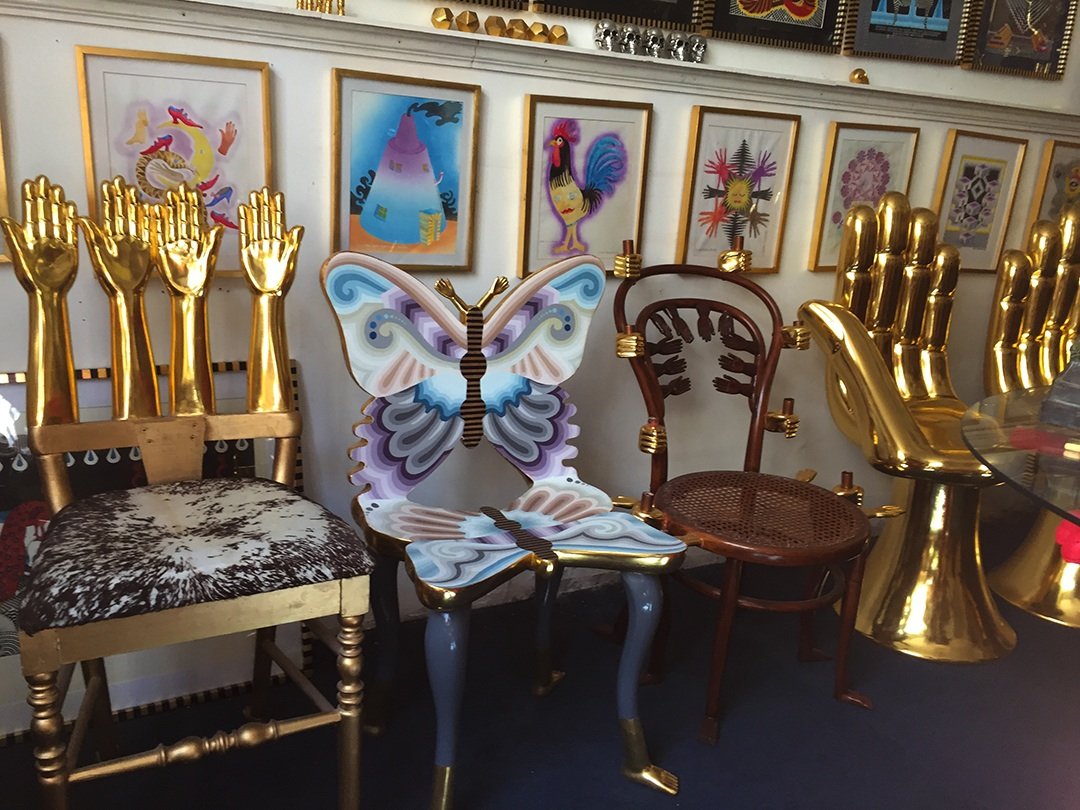
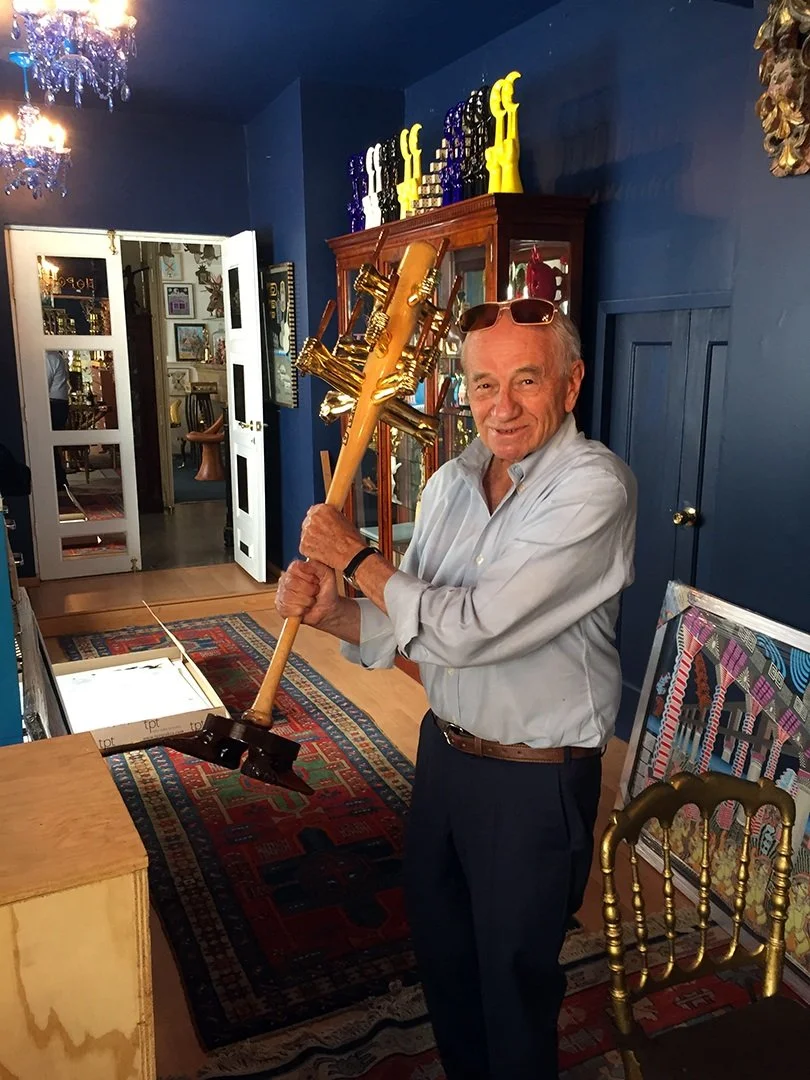
Netflix the cat was threading his way through the gold-leafed columns on one of Pedro Friedeberg’s sculptures. It was noon on a beautiful late fall day in Mexico City, 2017. The piece towered over us as we chatted and sipped prosecco. I imagined it crashing down and the domino effect taking out the other artwork surrounding us. Pedro said it happened all the time.
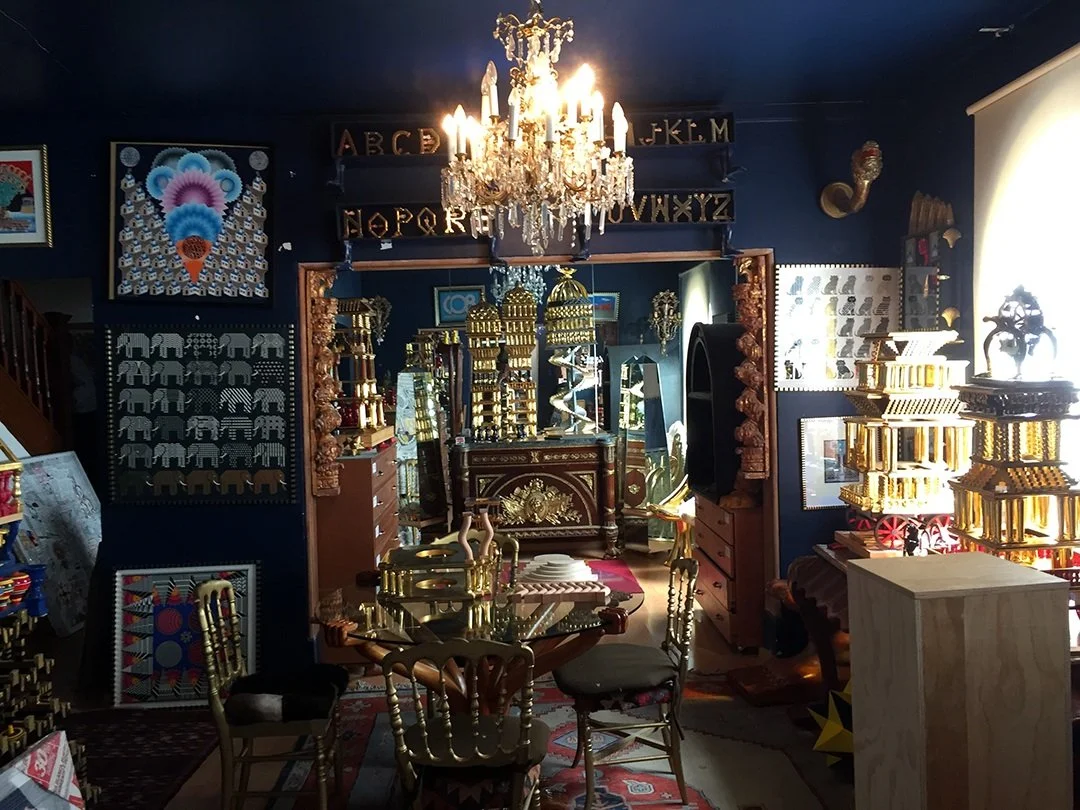
I was in Mexico City working on my next book and planning shows to curate over the following year. It was the first time that I had met Pedro, and I had a second meeting planned with him before I left the city. I didn’t usually have to contact managers to arrange an artist meeting. Most meetings just happened through friends, and over drinks. But Pedro was on a different level. In a time of art passing by on social media, Pedro’s work lingered—at once refreshing and memorable. Born in Florence, Italy, he moved to Mexico when he was 10 in order to escape the perils of World War II in Europe.
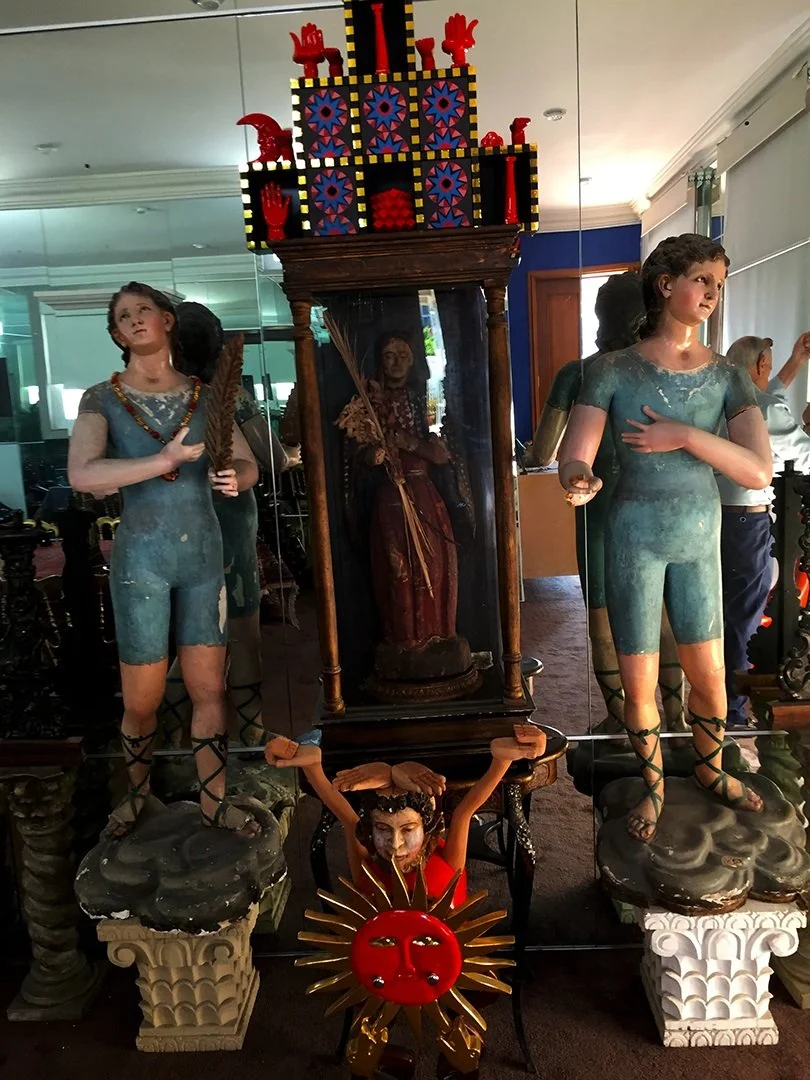
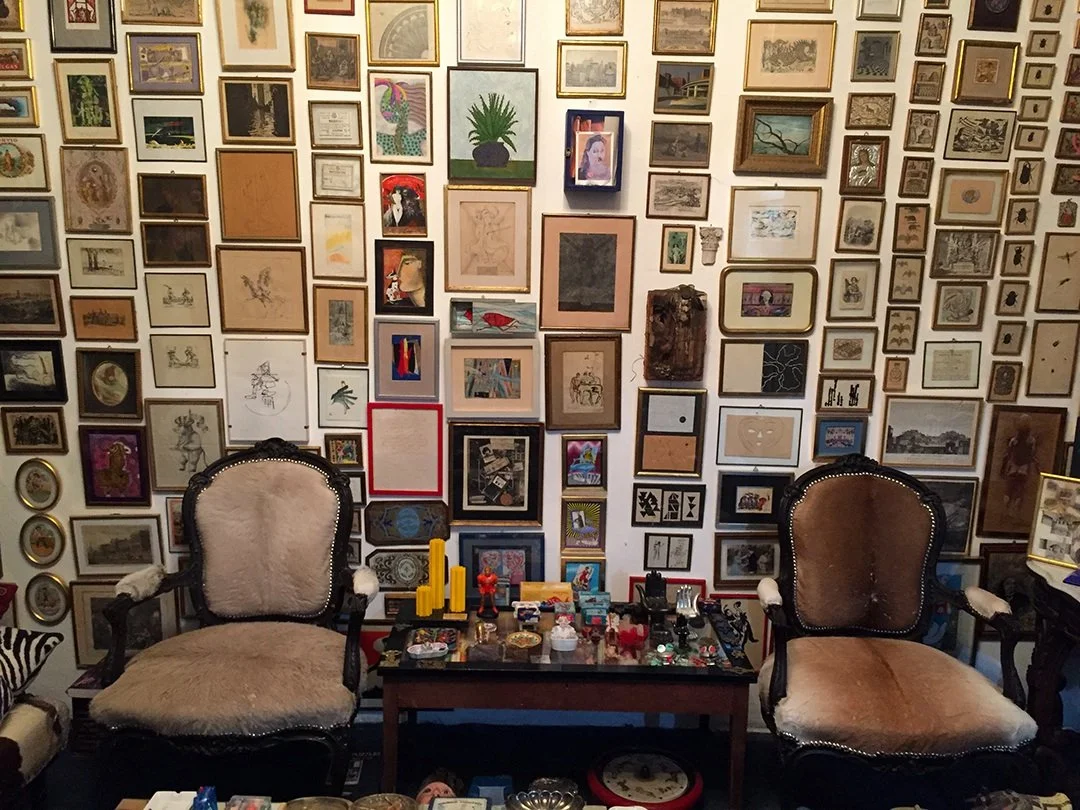
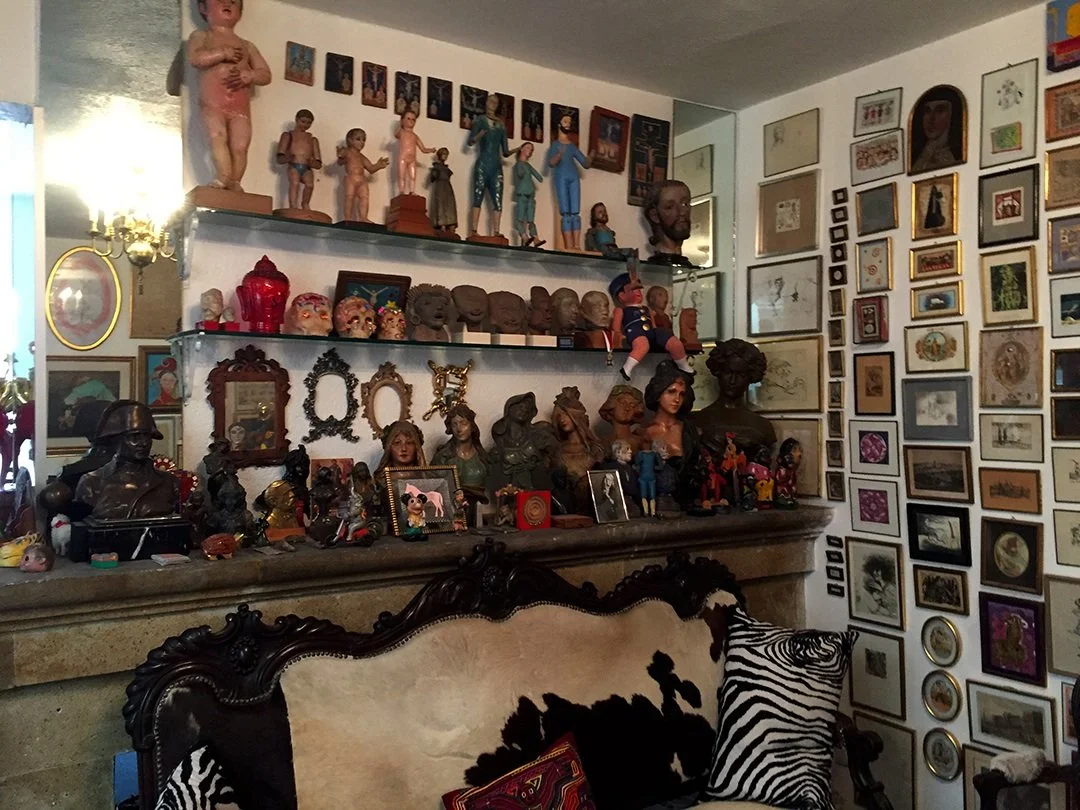
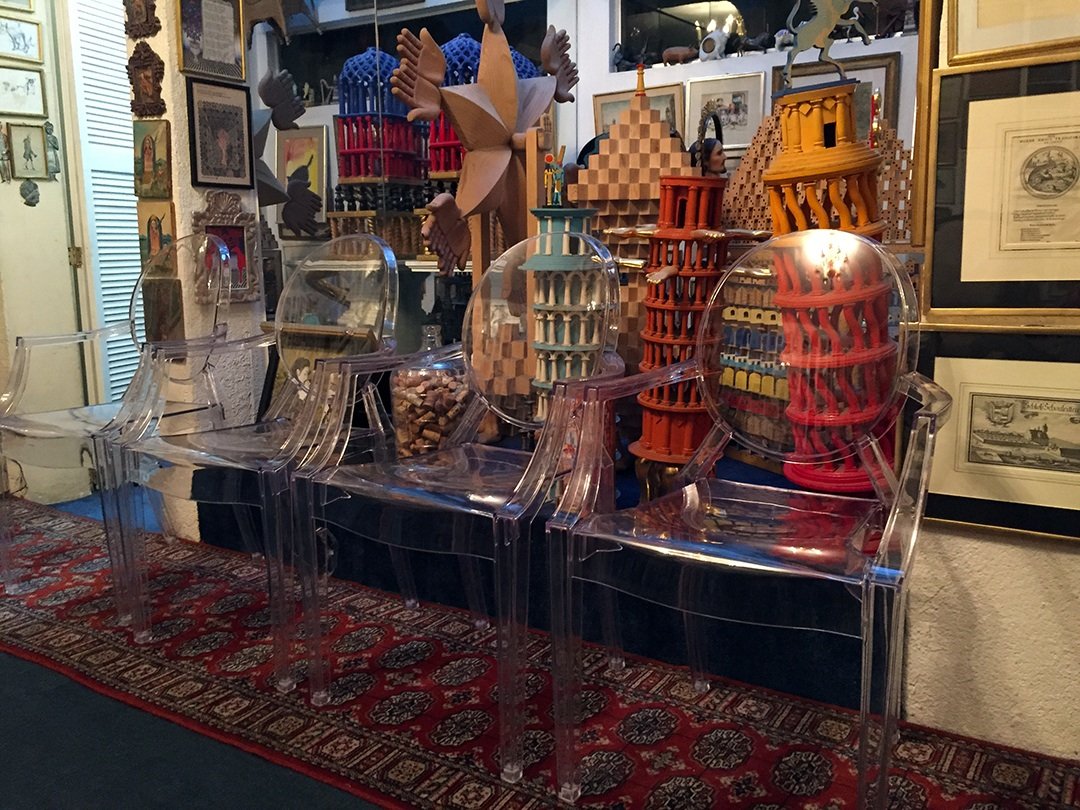
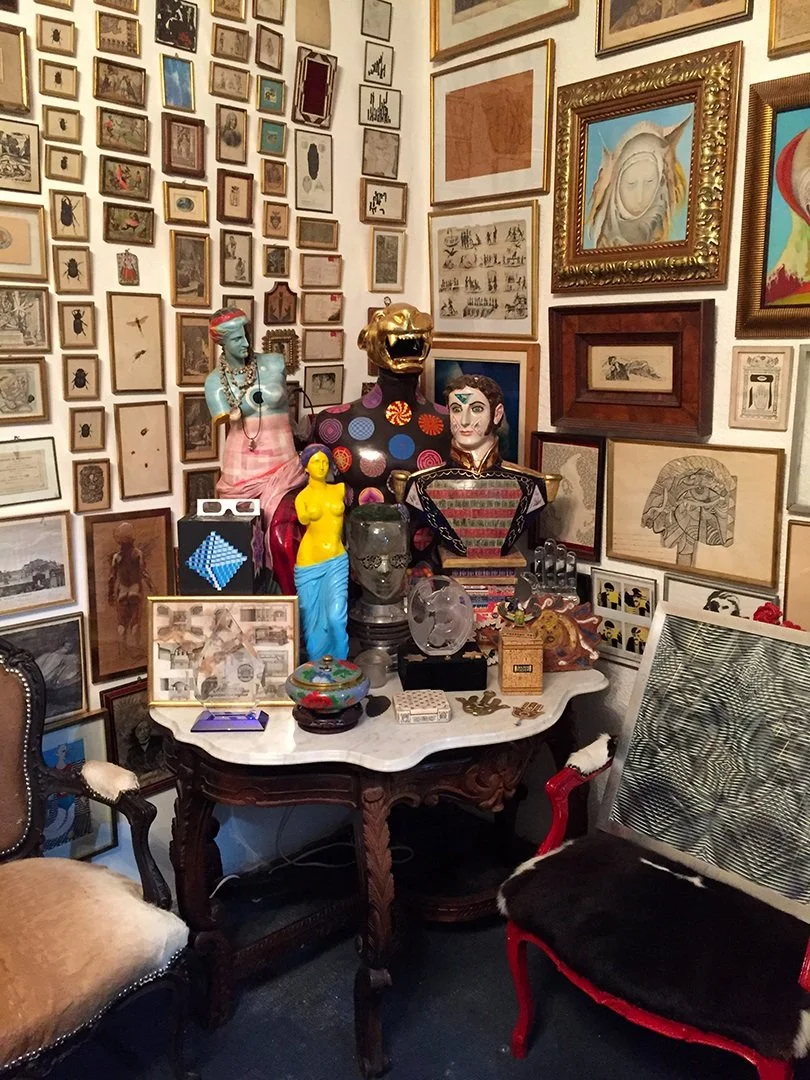
His house was a living scrapbook of his life. The walls were full of artwork from friends and fellow artists that spanned decades. These gifts and bartered works were blended with collections of his own work. I saw Pablo Picasso, Max Ernst, Salvador Dalí, and Leonora Carrington among others, all scattered across the walls.
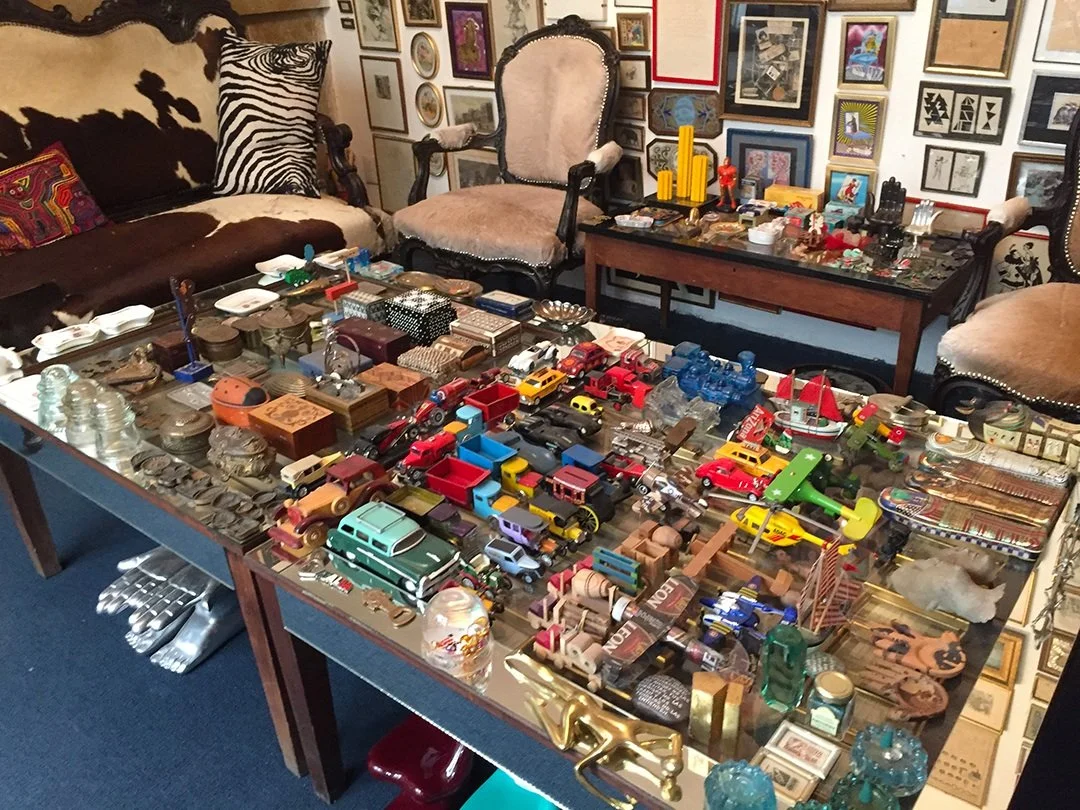
Several variations of Pedro’s most famous works occupied rooms throughout his home. Possibly his most recognizable piece is the hand chair. The original hand chair had been born of giving work to a local carpenter who needed work. Pedro seemed annoyed with the chairs, but even so, the many versions of the chair lined the rooms of his home. It was iconic, if not loved by him. Trinkets, toys, and collectibles covered tables and loomed on shelves. He took salon-style art hanging to the next level. Needless to say, as an absolute admirer of Pedro’s work, I found it overwhelming and wonderful. Growing up in a small town in Indiana, I had never imagined getting to sit in the same room as an art legend.
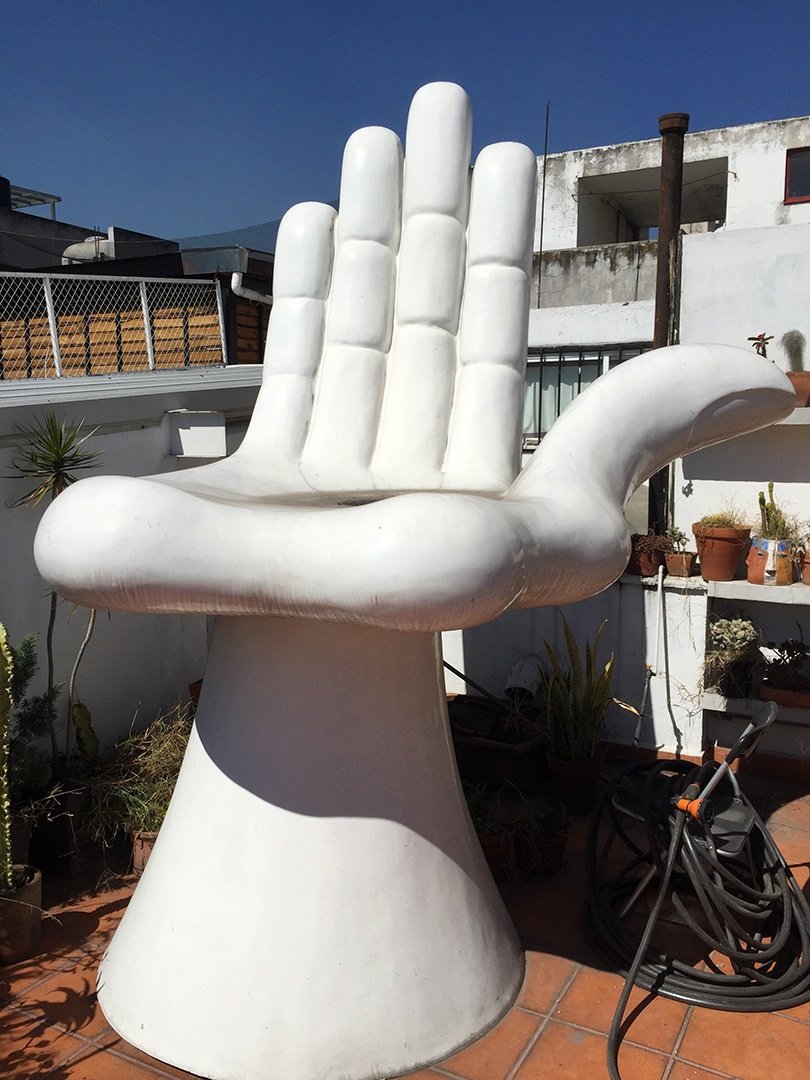
We talked as he gave me a tour of his home, located in Roma Norte, near Mercado Medellín. On the roof was a large white version of his hand chair with many potted plants scattered about. He explained that he had to take them down from the roof ledge after the earthquake due to the worry that they might fall and hit a bystander on the street. What was remarkable was that his home and collection had not been damaged by the large earthquake in September 2017. So many precariously balanced treasures stayed stoic in the face of disaster.
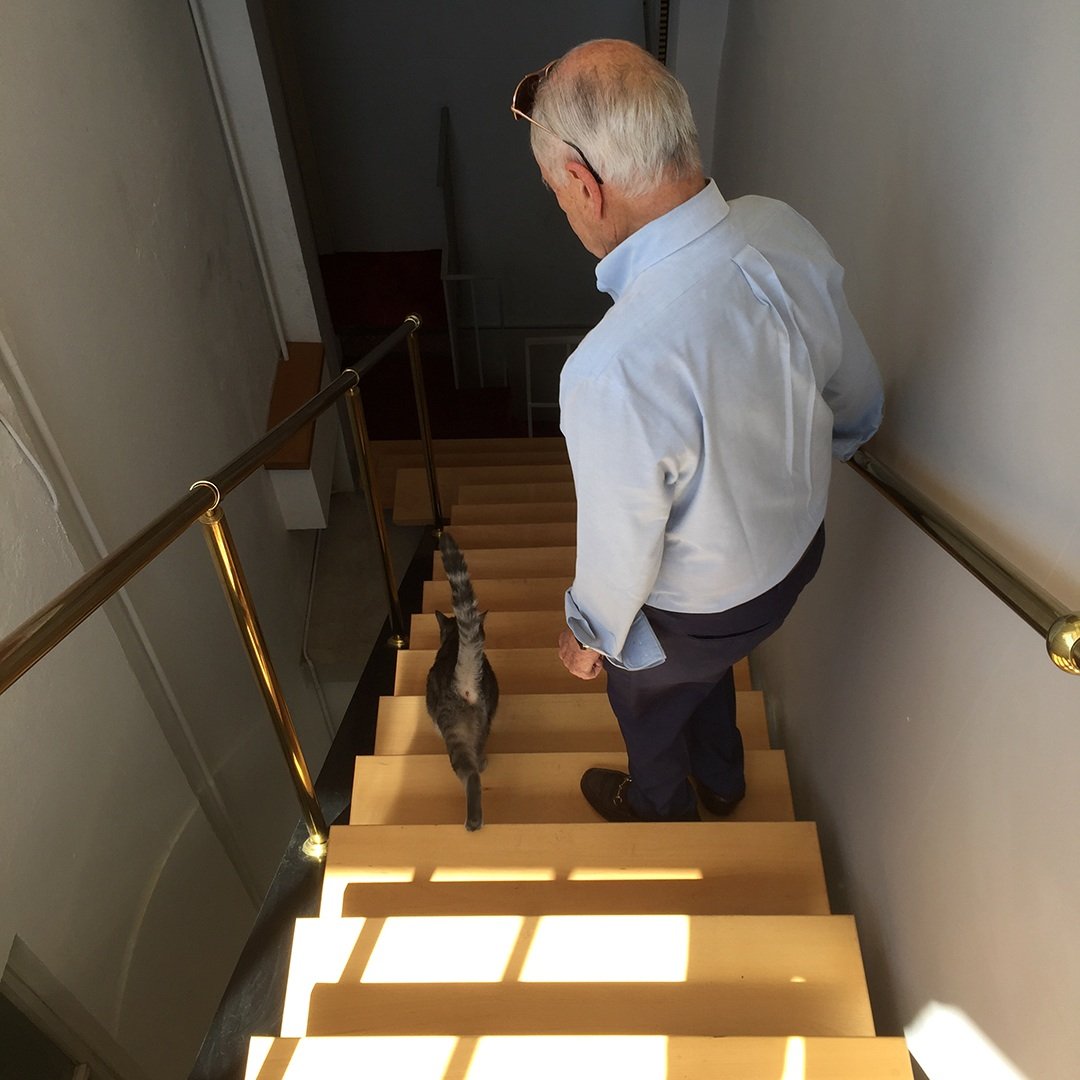
Pedro seemed to be just getting started as opposed to resting on the laurels of a long career. His wit surfaced throughout our conversation, even when Netflix deigned to join us. I asked about the name. Pedro explained that people often referenced TV programs in conversation by asking if he had Netflix. (Pedro definitely gave off classical music vibes, as opposed to binge-watching TV vibes.) He named the cat accordingly—so the next time someone asked if he had Netflix, he could say yes.
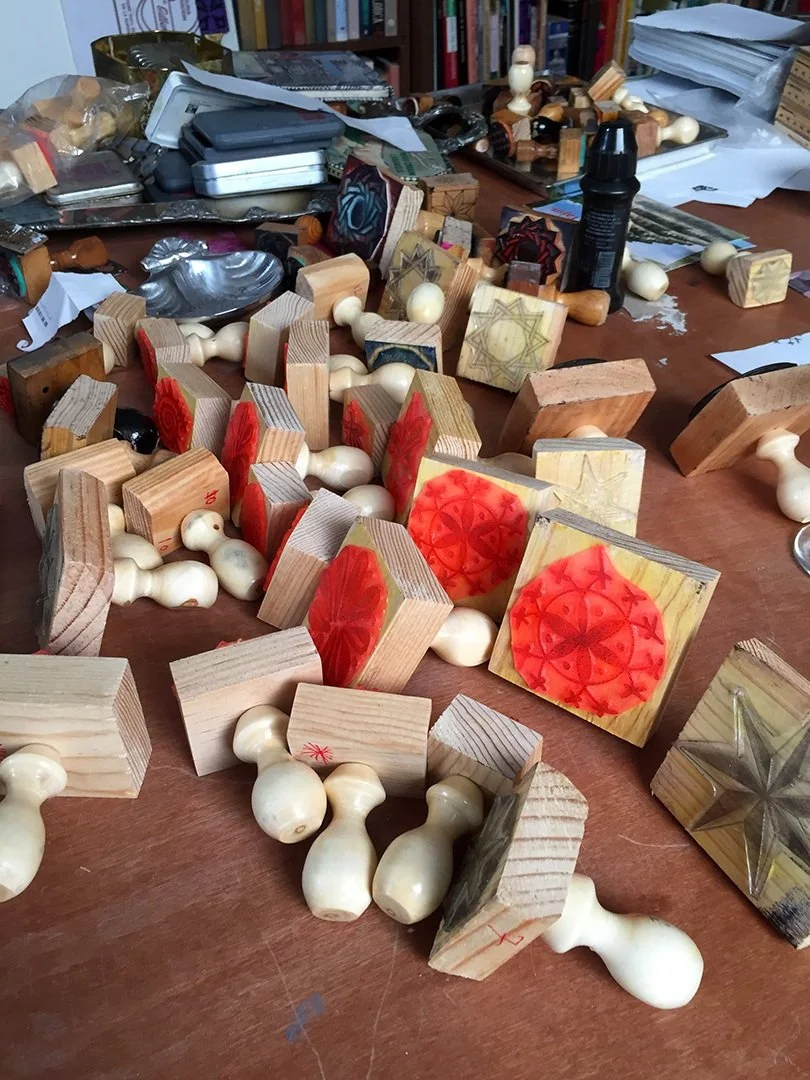
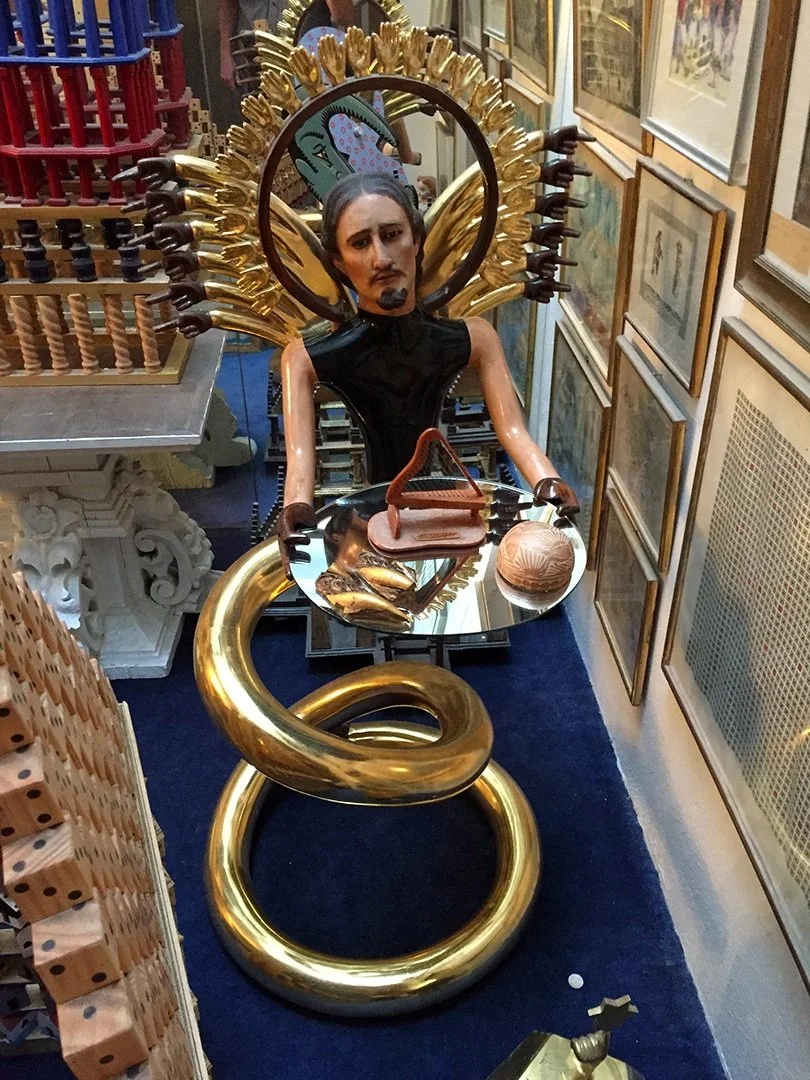
One floor housed the gold-leafed architectural-inspired works. Pedro told me he had briefly studied architecture, and suddenly the towering monument and temple works made sense. Upstairs in his studio was a table of mixed-media work in progress for a new hotel in Mexico. The designs involved his love of handmade rubber stamps. Outside his studio was a large collection of the stamps sitting within an antique curio cabinet. His designs had been transformed into stamps that he used to make patterns on sheets of paper. Each sheet was then augmented with acrylic or ink.
His studio had the feel of a library, but with much better light. Shelves of books stood guard over the large table populated with ink, paint, paper, and other tools of the trade.
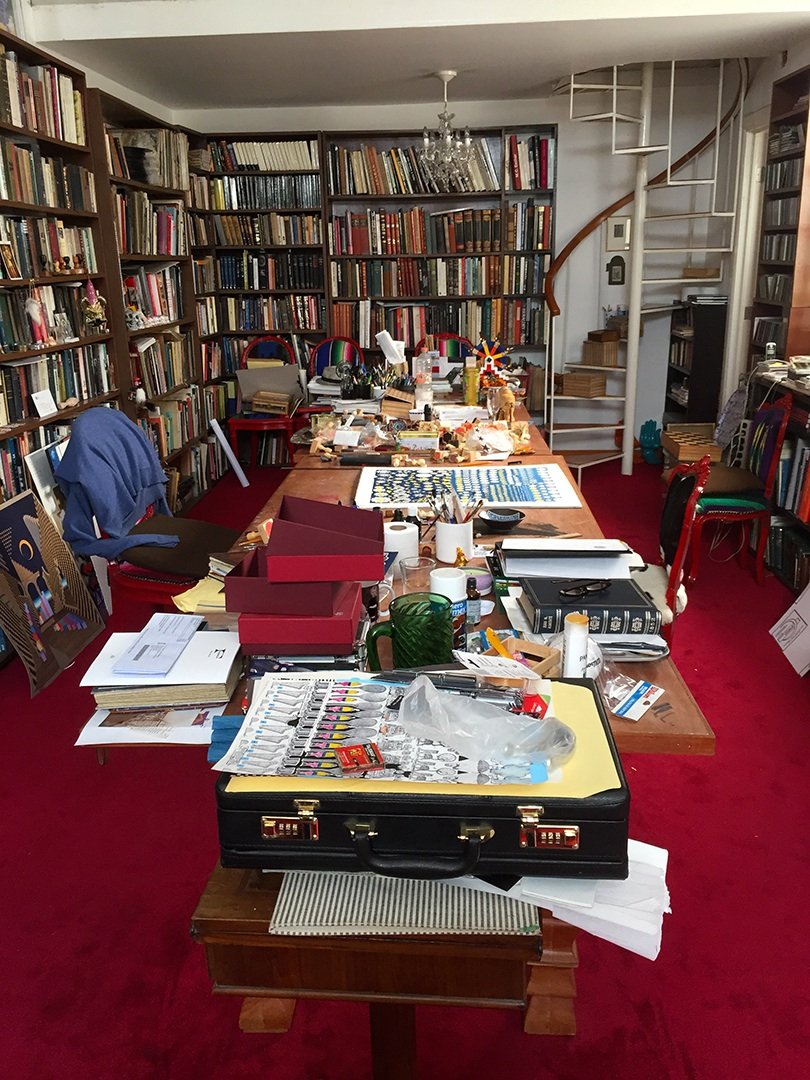
“Actually,” he confided in me, “this isn’t my real studio.”
This was his show-off studio—the one he allowed press and collectors to visit. His real studio was at the top of the house, in his private quarters that included a small kitchen, a bathroom, and even more light, with access to the roof.
Sitting at a small table on the main floor, surrounded by his work old and new, I listened as the conversation traveled from the ominousness of wartime Florence to mugging experiences in Europe, from the ghettos of Mexico to how Paris had changed over the years. Pedro was generous and interesting. He left me ready to learn more.
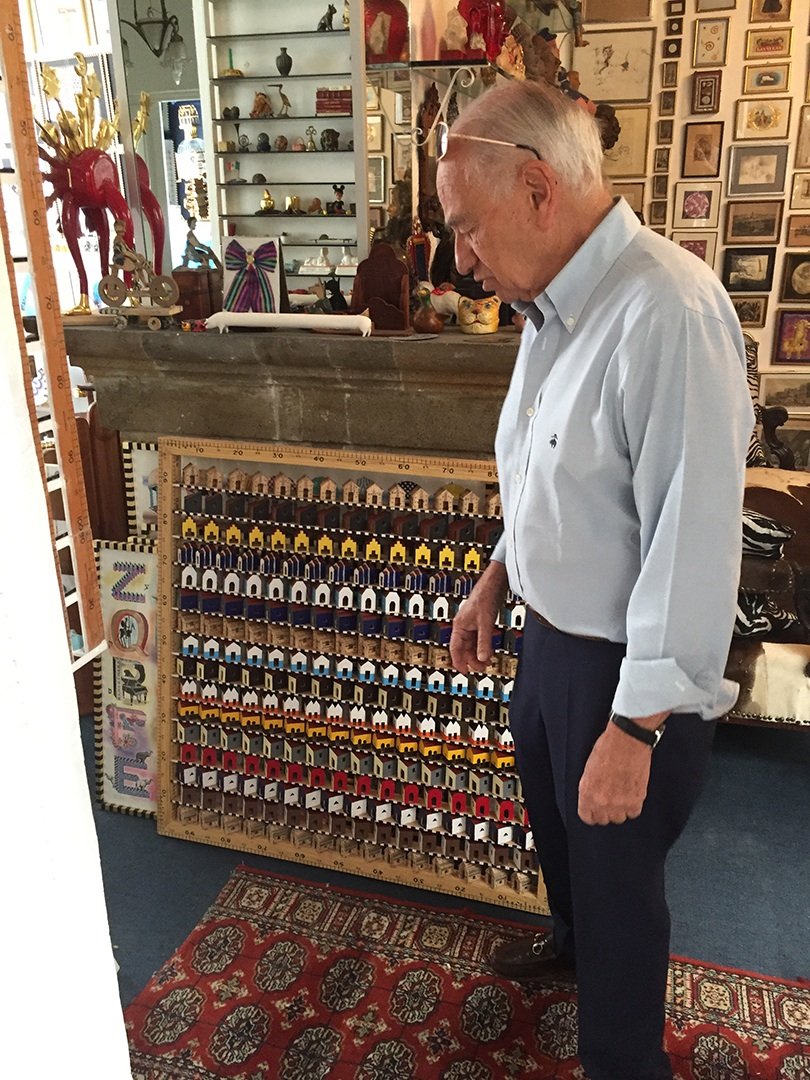
I returned the next day for my second scheduled visit. This time Pedro answered the door instead of one of his employees. He seemed happy to see me, though a bit frazzled. We drank tea and talked about corrupt politicians, the art on his walls, and future plans.
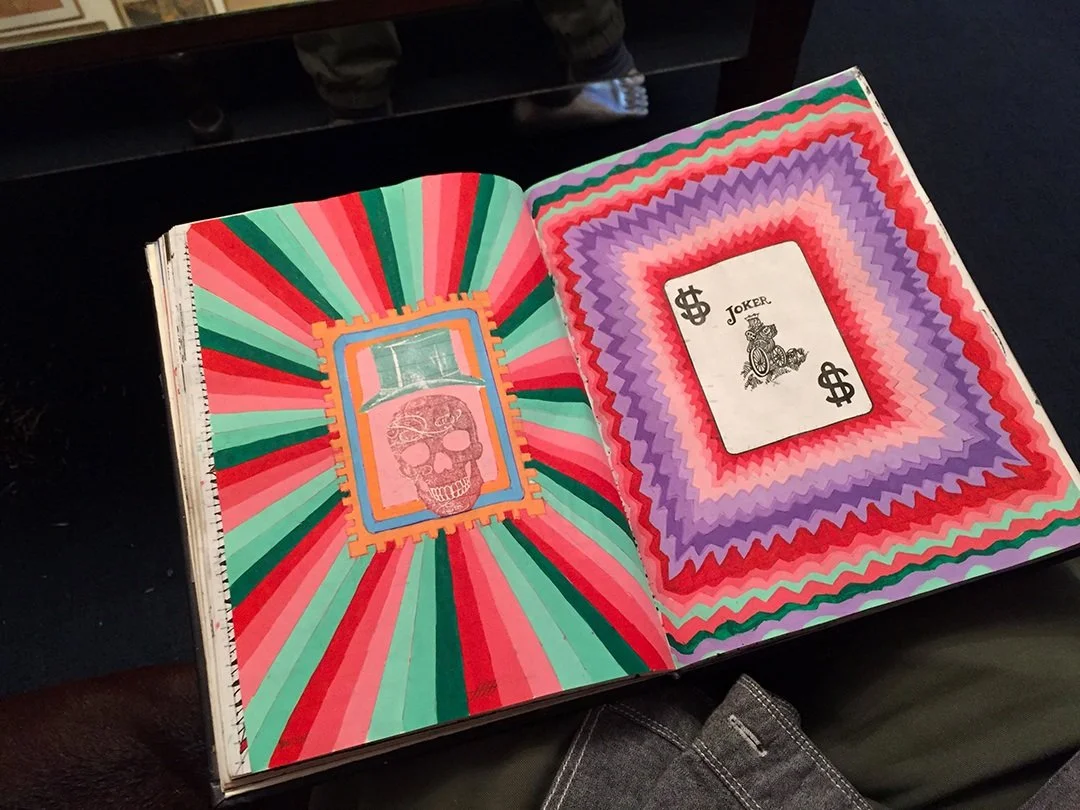
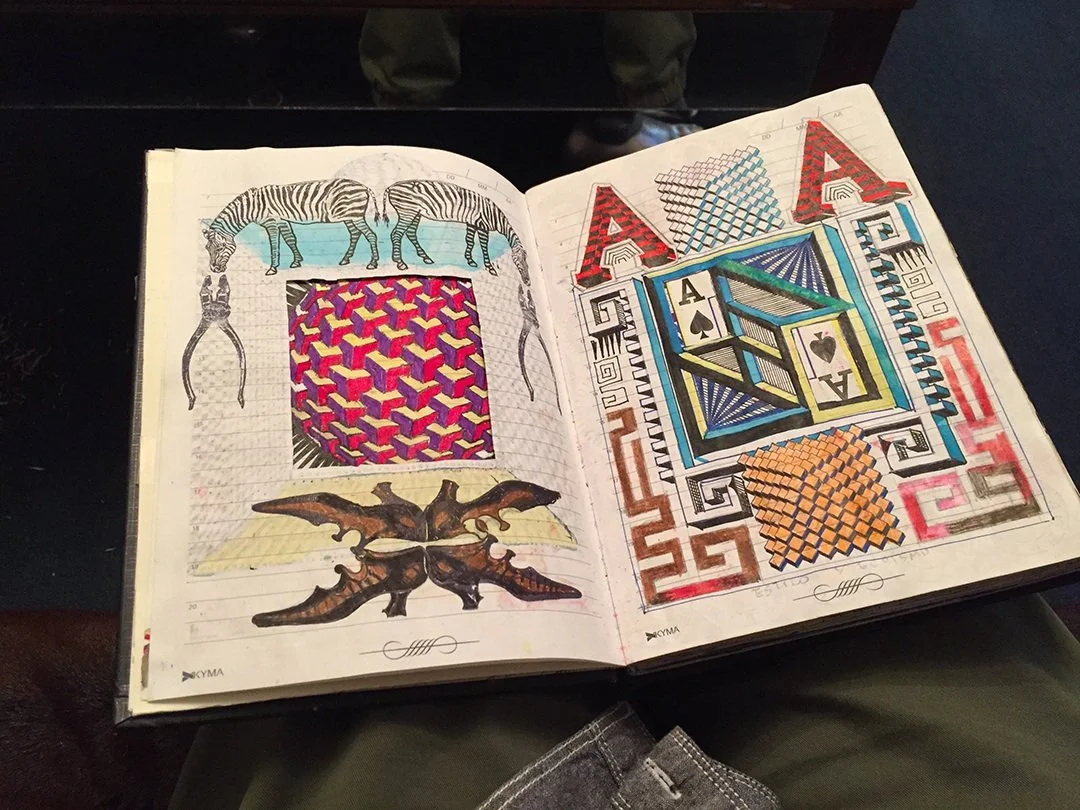
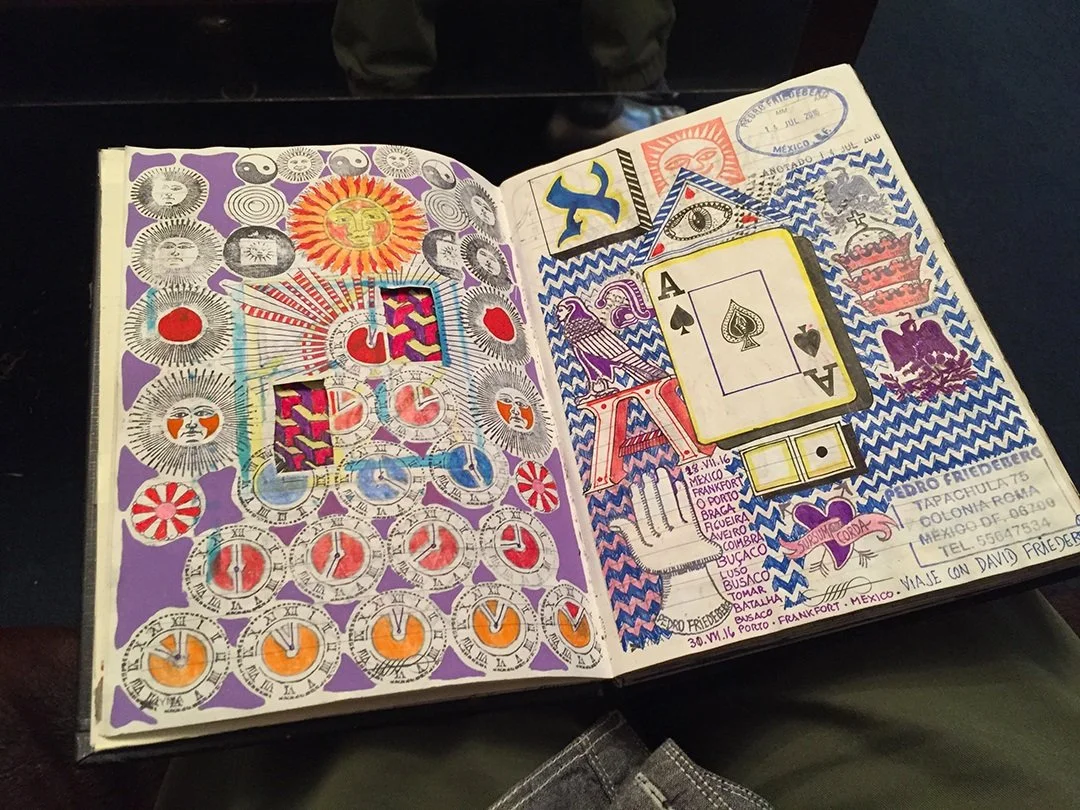
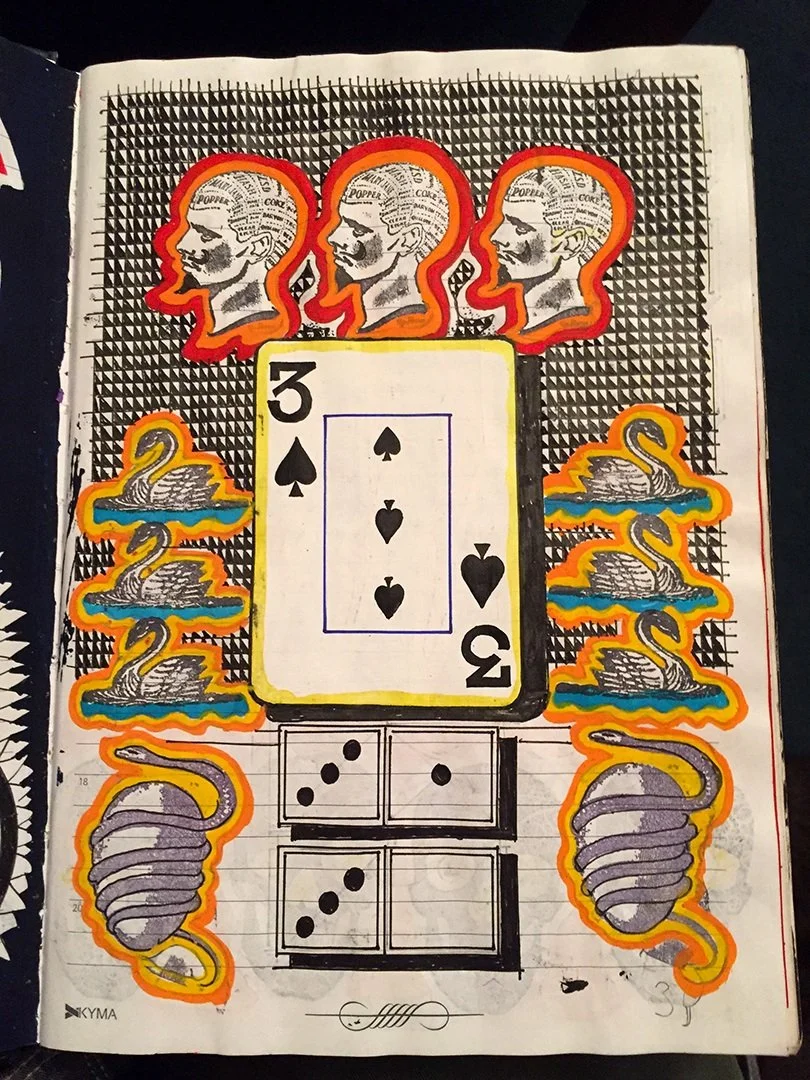
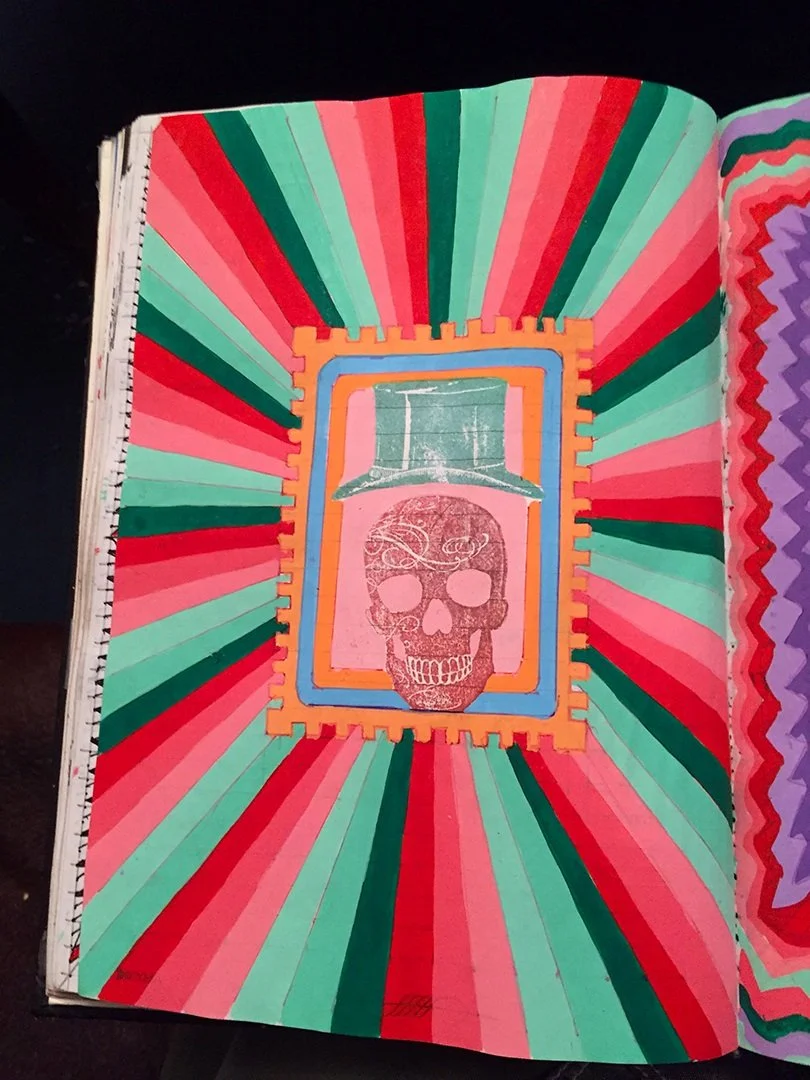
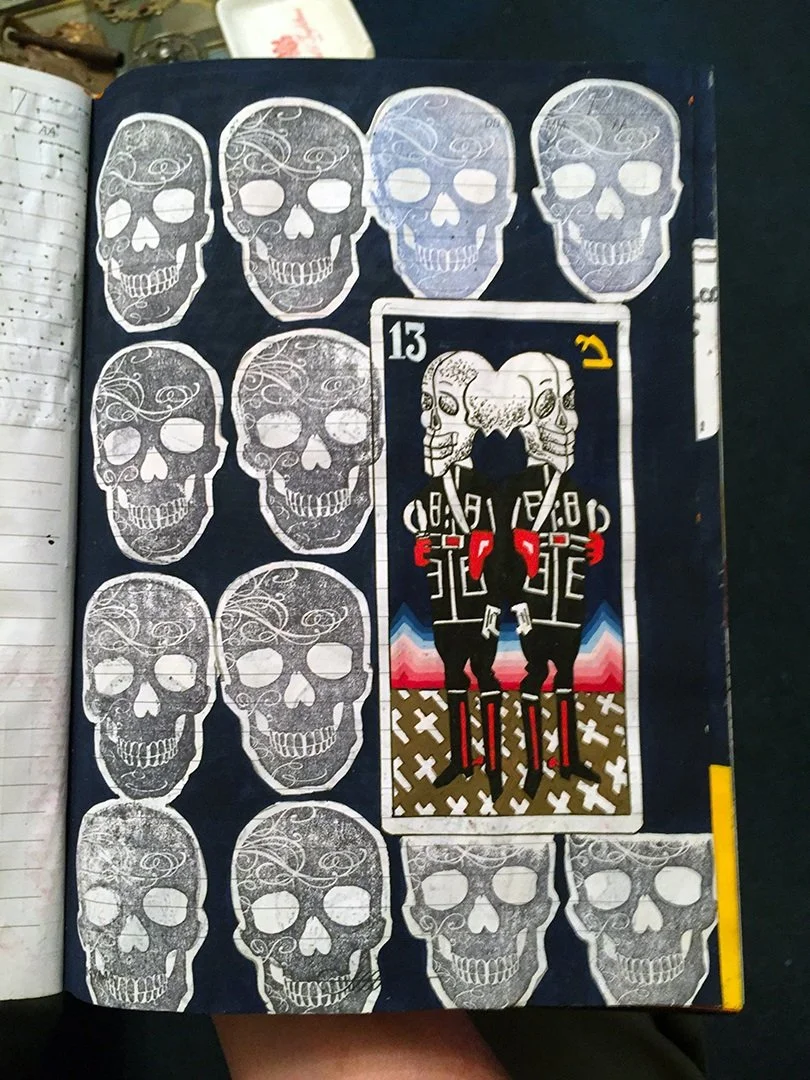
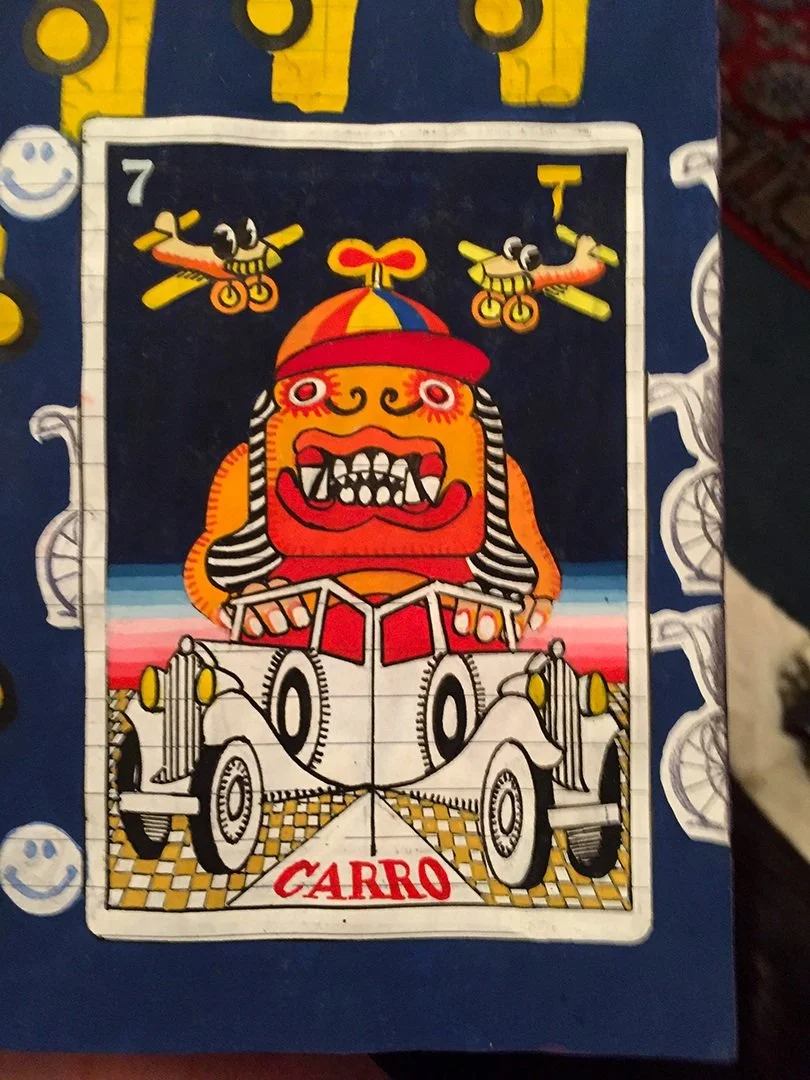
Pedro showed me a book he was working on, filled with sketches and micro-installations. Windows had been cut into pages to reveal secrets from the next page. Playing cards and tarot were the continuous themes, intertwined with stamps and colorful geometric drawings. I wished I could have taken it home and placed it on a shelf next to Steinbeck, Carver, and Murakami. Legends belong together.
After a while, he ran out of small talk and he explained that we were waiting for his girlfriend to arrive. He was dressed nicely. The main room had been cleaned and organized since the day before. He fidgeted and kept looking at his watch. And I thought to myself, she must be interesting.
“She is…much younger than me,” Pedro admitted, in an almost sheepish kind of way. He told me that he felt odd, like he was robbing the cradle. And I imagined a 25-year-old art history student. His ancient flip phone rang. It was her. She was struggling with the traffic, the heat, the people. She would be delayed.
Pedro asked if I was hungry and disappeared into the kitchen. A few minutes later he emerged with two enameled metal bowls of pozole, flatbread and a bottle of prosecco. He said his housekeeper had cooked it the day before—her special recipe. It was a hot bowl of porky, hominy soup with all the accompaniments. Suddenly the buzzer sounded at the front door.
“My beloved is here,” Pedro said, smiling. For all his discomfort in explaining his relationship earlier, it was obvious he cared about her. With a spring in his step, he headed to the front door.
His girlfriend [name withheld for privacy] appeared to be in her 60s—which I supposed was robbing the cradle when you are in your 80s. She was tall and sophisticated. Pedro was short and stuffy. She was smoking a cigarette and carrying four shopping bags. Pedro kissed her and then proceeded to follow her around with an ashtray, hoping to catch errant ashes. She immediately stopped in the foyer and looked at me.
“Who is that?”
Pedro explained my presence, then took her bags. Steadfastly trying to please her, he asked if she would like some prosecco.
“Of course. I’m not an animal,” she replied.
He scurried off to the kitchen to get another glass. While he was gone, she asked if I had ever heard of a certain famous Mexican film director. Surprised that she was speaking to me, I told her that I had not heard of him.
“Well,” she paused, “I am his daughter.”
As it turned out, he was quite a big deal, nominated for an Academy Award. She had even traveled to Los Angeles as a child to see him accept the award. Now I understood her demeanor. She had been raised in the golden era of cinema. Other than his work, she didn’t remember much of her father. He had always been working, never home. But she had vivid memories of the trip to Los Angeles. She pointed to my hair. “Los Angeles was the first time I met a blondie like you.
“He was the driver the studio sent to pick up my mother and me from the airport. First time seeing a blondie, and my first time riding in a Cadillac.” She smiled faintly and took a last drag off her cigarette.
She said that they had been treated like royalty at the hotel. Her mother would go to the hair salon while she swam in the hotel pool under the watchful eye of their temporary American nanny. She reminisced about her hotel room filled with stunning designer gowns. She had such a happy, faraway look in her eye that I didn’t interrupt—simply listened. She had watched her mother pick a dress, put on makeup, and sweep out the door with her father, who was in a tuxedo. The nanny had turned on the enormous TV in the hotel room, and she ate ice cream while watching the live broadcast. She still remembered how excited she had been to see her parents on TV, and how they had returned to the room late, laughing loudly.
Pedro returned at last with the glass of prosecco. They had dinner plans with some art dealers, so they couldn’t dawdle. She took a generous sip of the prosecco and excused herself to freshen up for dinner. Pedro watched her walk down the hallway. He turned to me with a strange, almost sad look in his eyes. For all his talent and stellar career—not to mention a beautiful and interesting girlfriend—he said he felt invisible.
“At my age, I walk down the street and nobody sees me at all.”
It clearly affected him, and I understood, but I could not agree. Invisibility is a common problem in today’s society. Social media and technology breed disposability and reward the fleeting. The experience of long careers and reputations built over a lifetime—belonging to Pedro’s generation—is vital; it is a hidden treasure that we need to rediscover. It is all too easy to scroll on a phone and forget that everyone you pass on the street has a story and a contribution.
His contributions to the art world are immeasurable and timeless. As an invisible man, Pedro Friedeberg cast a long and surreal shadow when he walked down the streets of Mexico City.
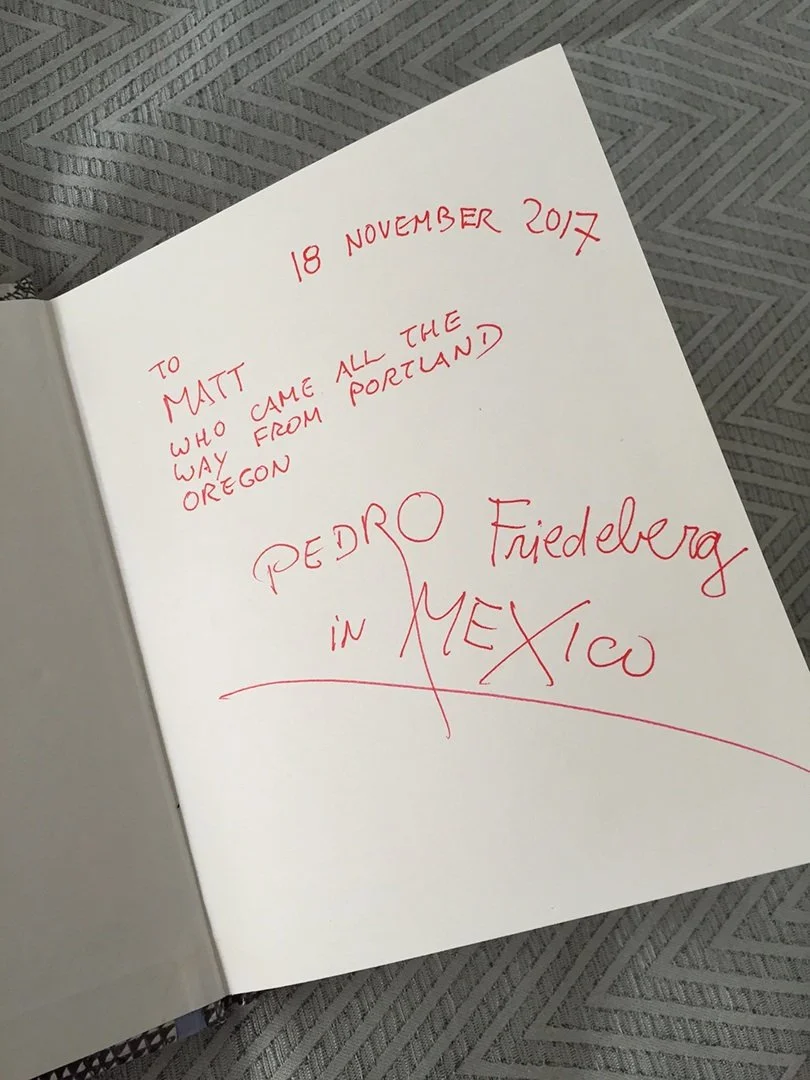
Author’s note: I was saddened to hear the news that Pedro had died on March 6th of this year. This news took me back to those afternoons in Roma Norte. My condolences to his family. I remember he spoke warmly of his kids, and proudly of his daughter Diana and her work with the endangered jaguars of the Yucatan. He was a giant among giants in the art world, and I relish the short time I spent with him.
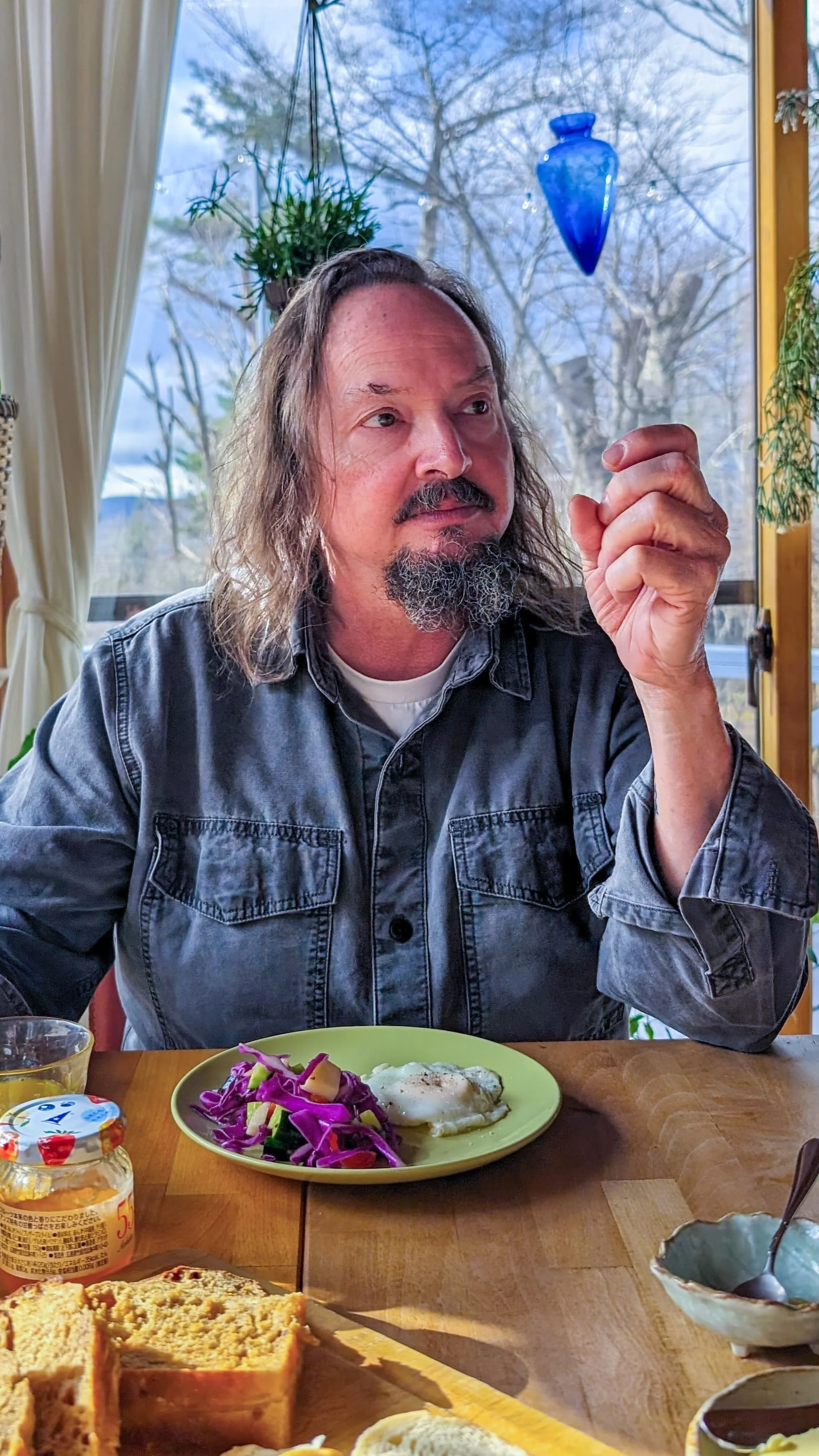
Matt Wagner builds experiences that foster creativity and community at the intersection of art, music, and food. As executive director of Pickathon Creative Neighborhoods, he leads programs empowering young creatives and skilled tradespeople. He’s curated exhibitions, events, and murals across Japan, France, Mexico, and Oregon, co-founded Forest For The Trees, and written a series of books about creative life in Tokyo, Portland, and Paris (Overcup Press).