
The Space Between the Words
A woman in a park stares off, holding her bag with urgency. The image implies she has a task that needs to be completed—something needs to be done. A textured shadow falls against her breast, unnoticed and suggestive of the cancer she may, or may not know, she has.
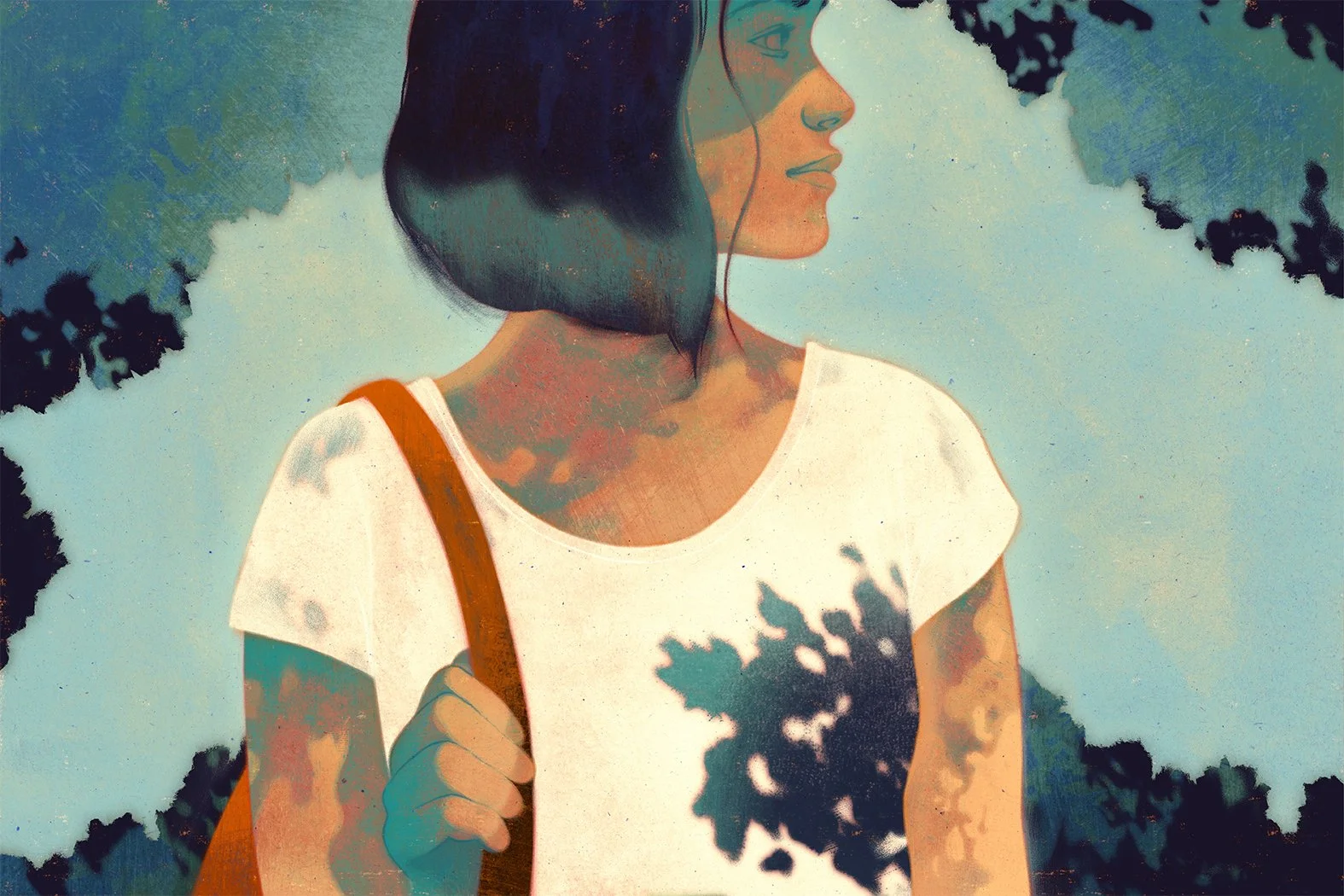
For the Washington Post’s “Voices” column.
Editorial illustrations tend to either highlight the obvious or create openings that allow readers to fill in the emotional blanks. Owen Gent prefers the latter, almost exclusively. From his studio in Bristol, UK, he enlivens articles for The New Yorker, New York Times, Wall Street Journal, and more, building drama using blocks of color, negative space, and surreal conflict.
“My work lends itself to projection rather than being very literal,” Gent says, “The more room that you allow for someone to put themselves into a piece—that goes for music or whatever medium—it’s easier for people to fill that space with their own interpretations.”
Gent’s work ranges from editorial and posters to book covers and traditional advertising. Like many in his field, he’s classically trained—oil painting was his first crush—but he discovered illustration as a way to turn infatuation into a paying profession.
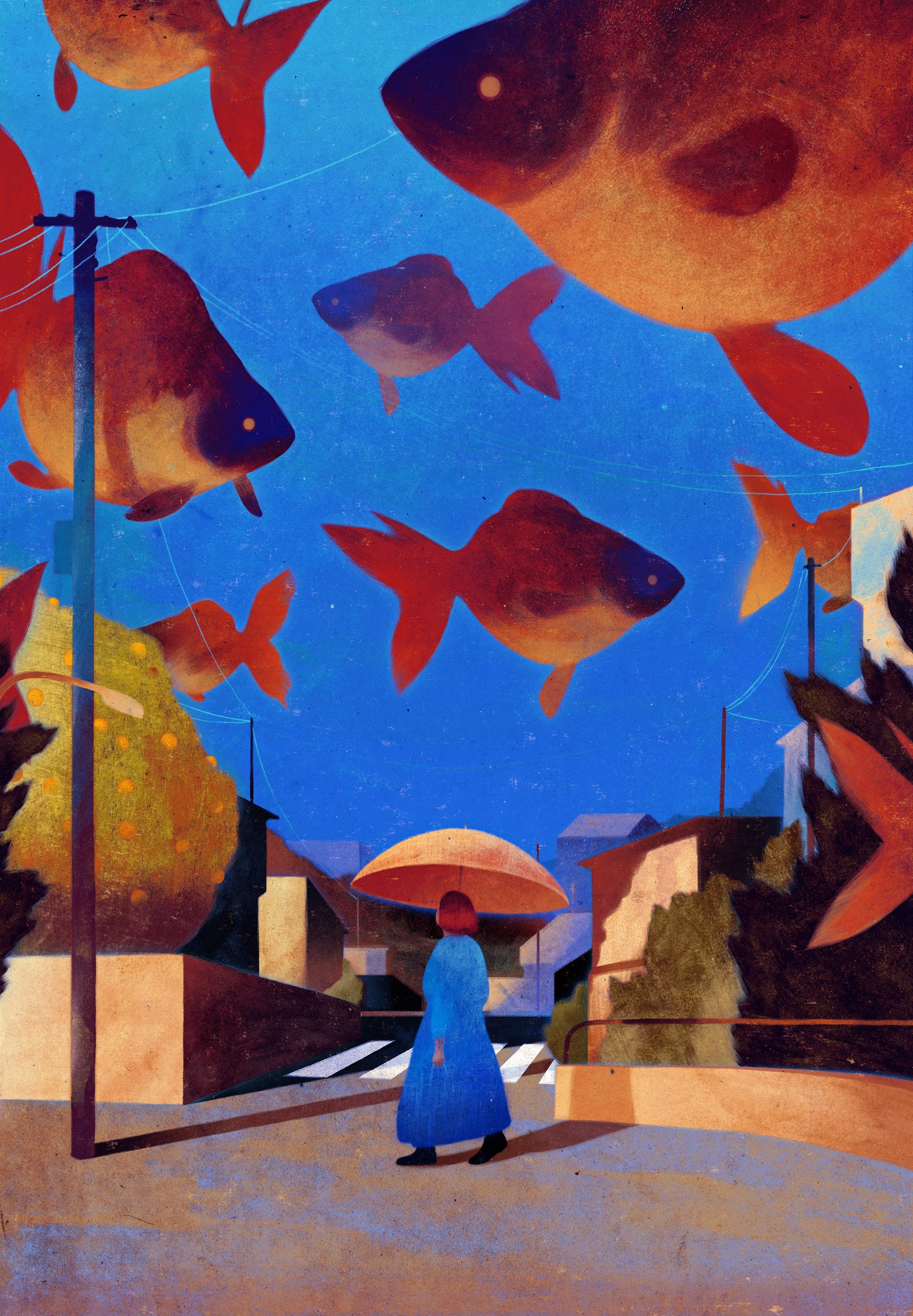
Poster for The Voice Actress, a short film written and directed by Anna J. Takayama.
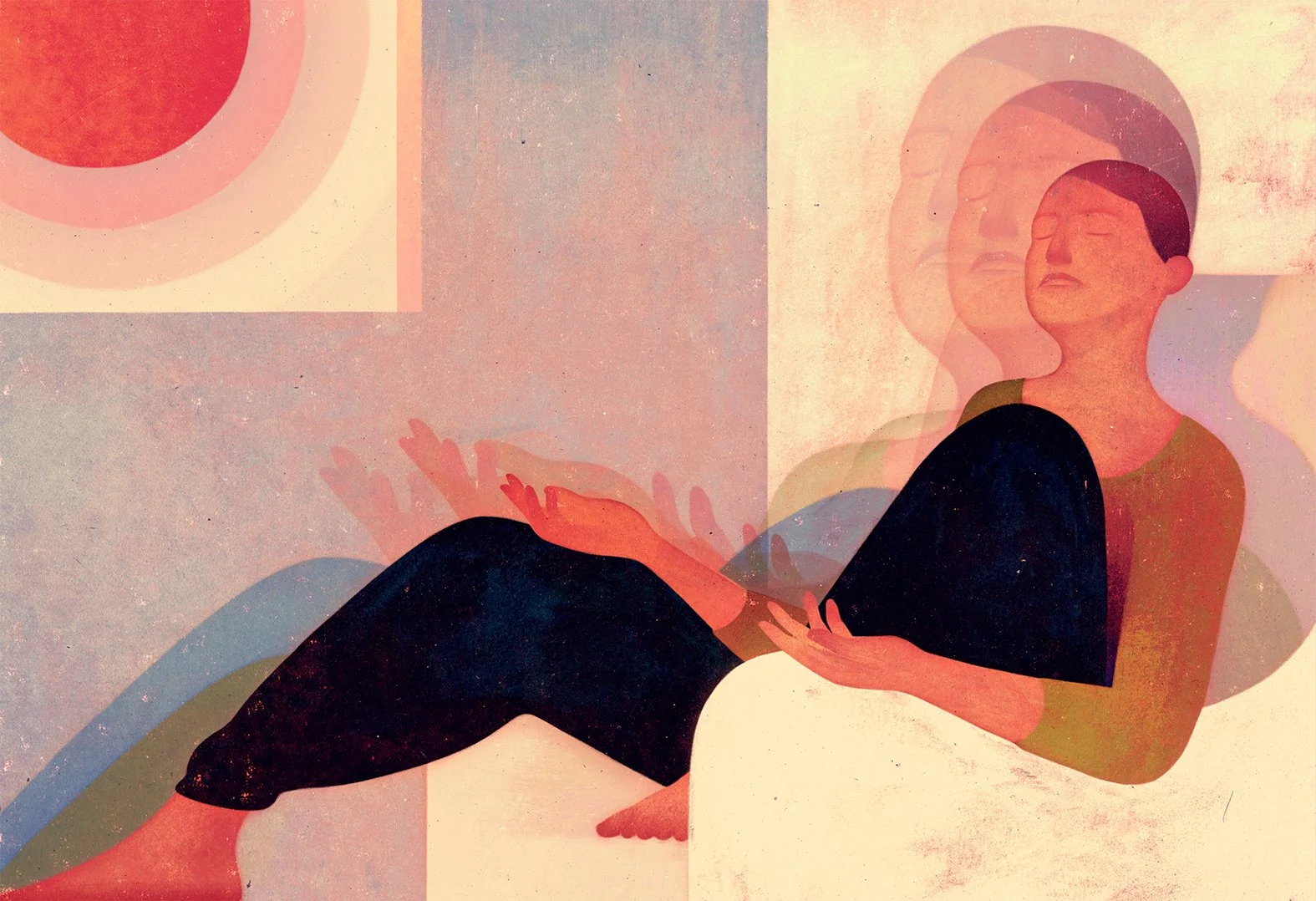
To Be Known, Sojourners magazine.
Each drawing starts as an idea, but brush doesn’t hit paper until he has read the work in question and distilled it down to a single sentence. From there, the concept becomes a sketch in monochrome gouache, whose opacity makes it easy to transfer to digital media. Once in Photoshop, he adds texture, color, and ambiguity to the composition. The result is at once meaningful yet vague, allowing impressions to form but not always the same ones for the same people.
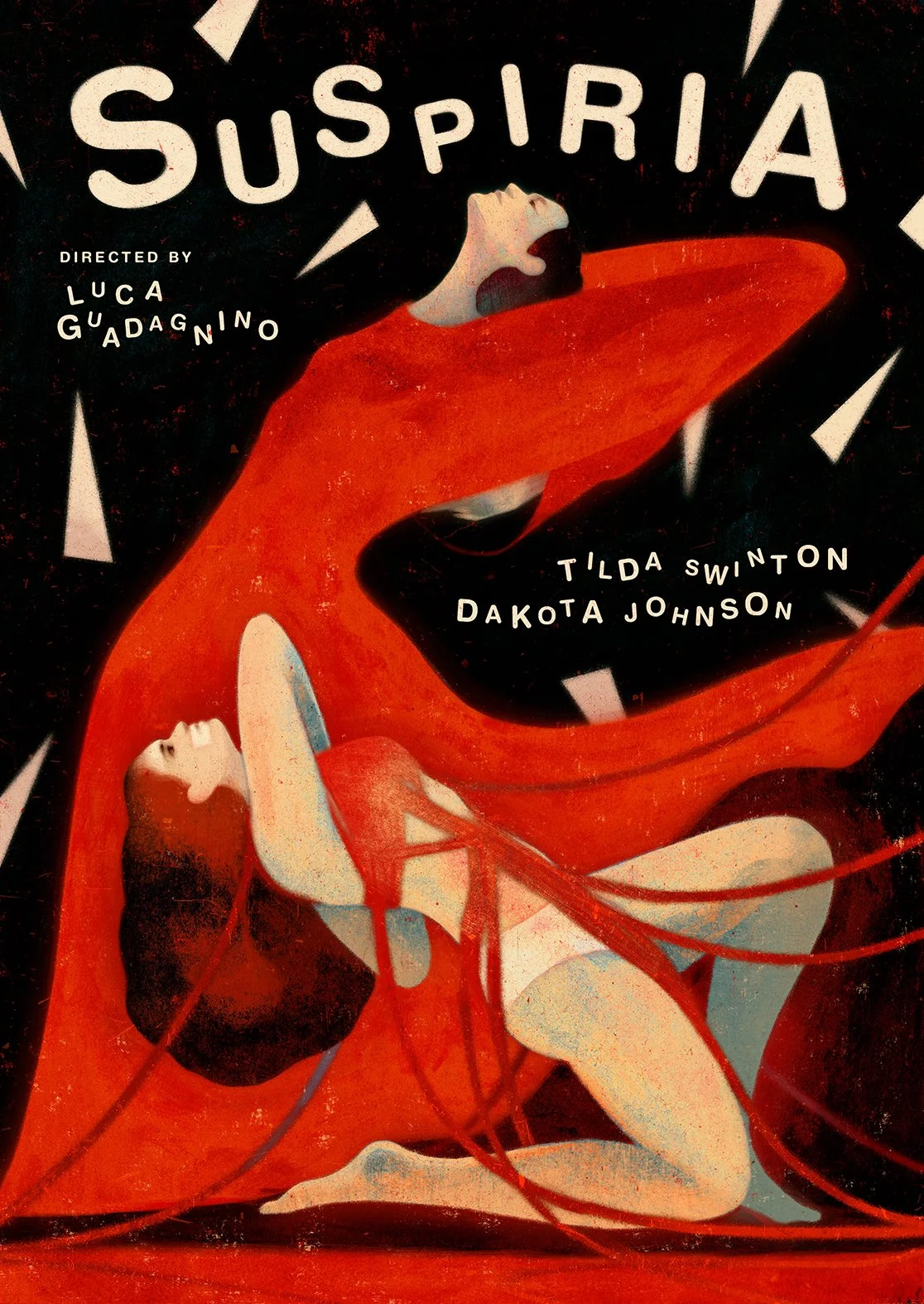
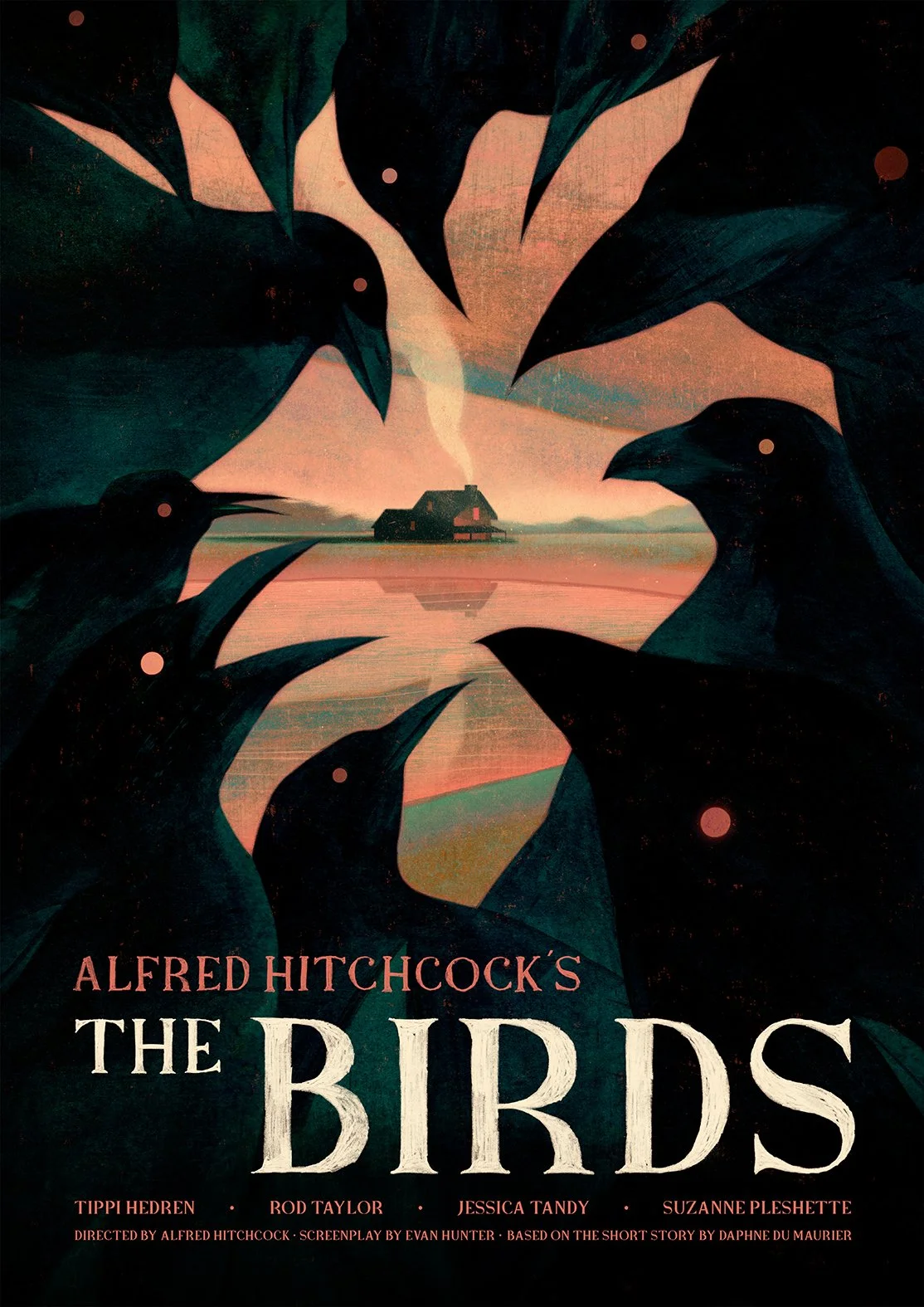
Gent is a fan of illustration, but not a student. He draws inspiration from beyond his field, whether from 19th-century mainstays of painting or more contemporary artists. Gauguin, Munch, and Klimt are obvious influences, but the lonely figures of Belgian painter and illustrator Léon Spilliaert and the magical realism of Peter Doig also occupy some of his mental space.
His approach and outcome are easy to see in the cover for “Voices of Breast Cancer,” the 2022 multimedia Washington Post feature (referenced above). While the content was emotional, the illustration is understated, suggesting the contrast between a sometimes-terminal disease and a life to be lived.
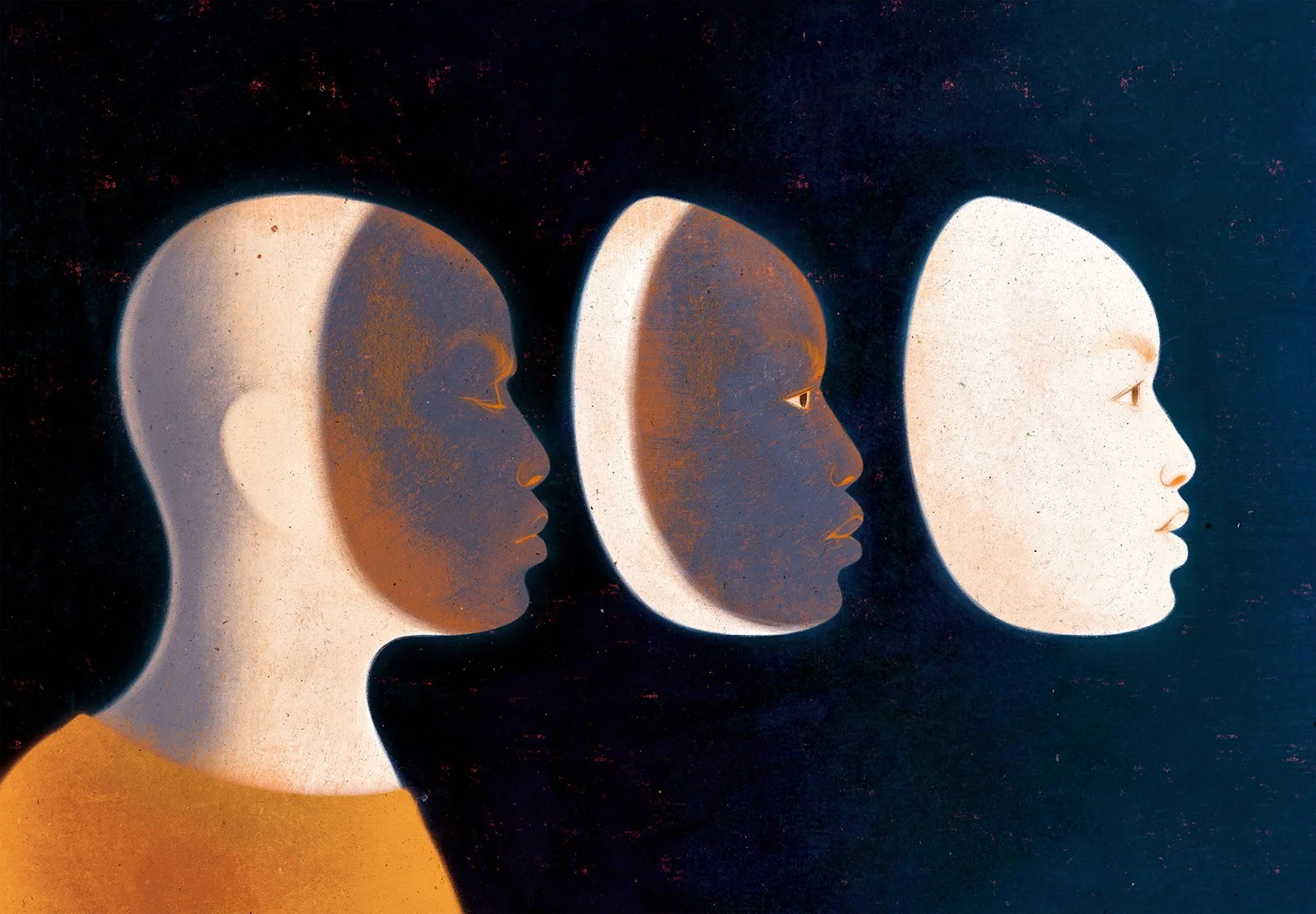
‘Coming Out’ Becomes ‘In’, Les Echos Weekend.
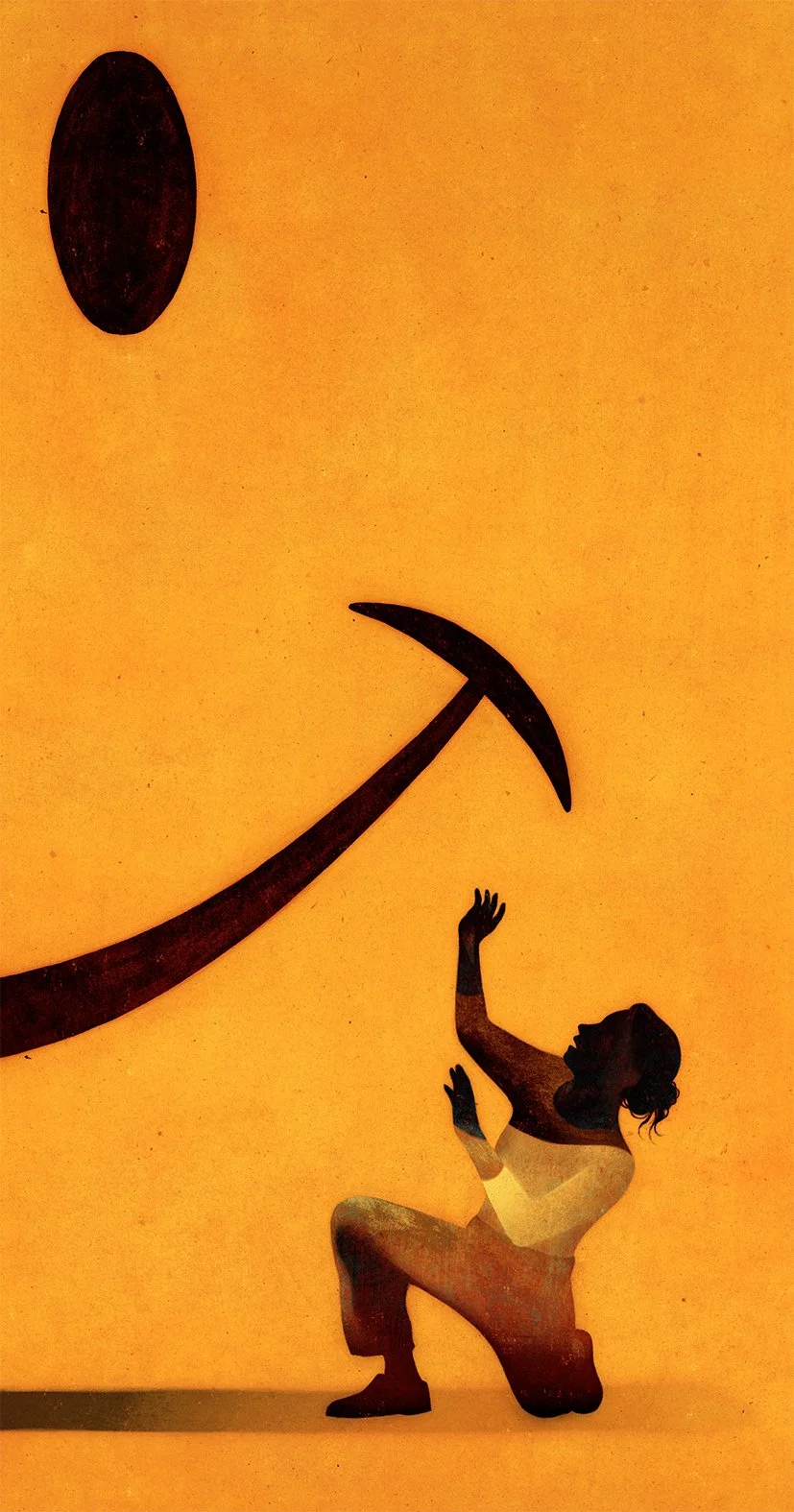
Fear of Happiness, Washington Post.
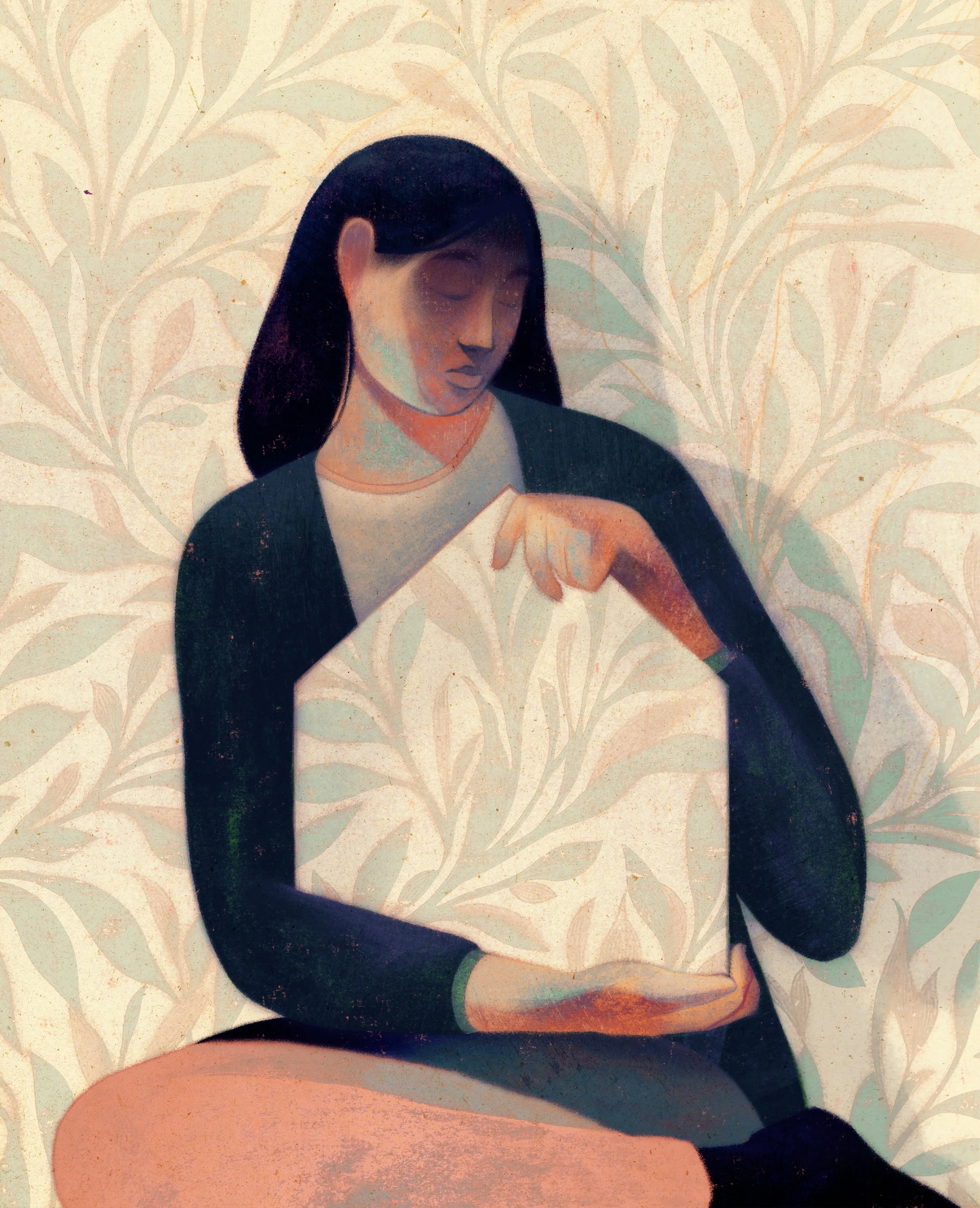
A more accessible piece is Gent’s illustration for “The Road from Loss,” a 2025 collection of essays by LMU Alumni Magazine. Here, a woman seated against a floral backdrop, casts her eyes down, clutching a void that contains a version of the background behind her. Is her sense of loss about emptiness, or a different reality? Is it a child she misses or something more conceptual? The illustration never says.
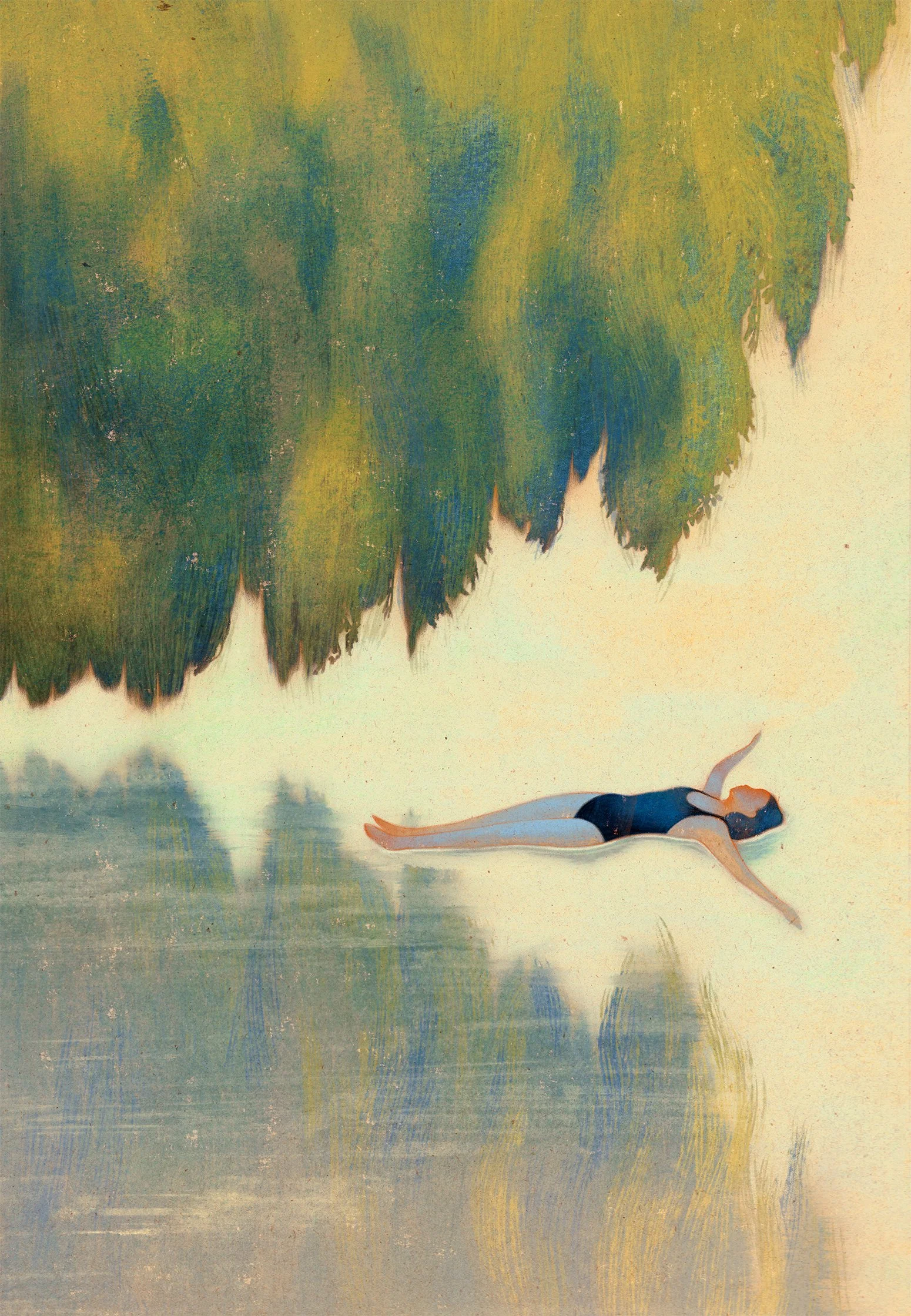
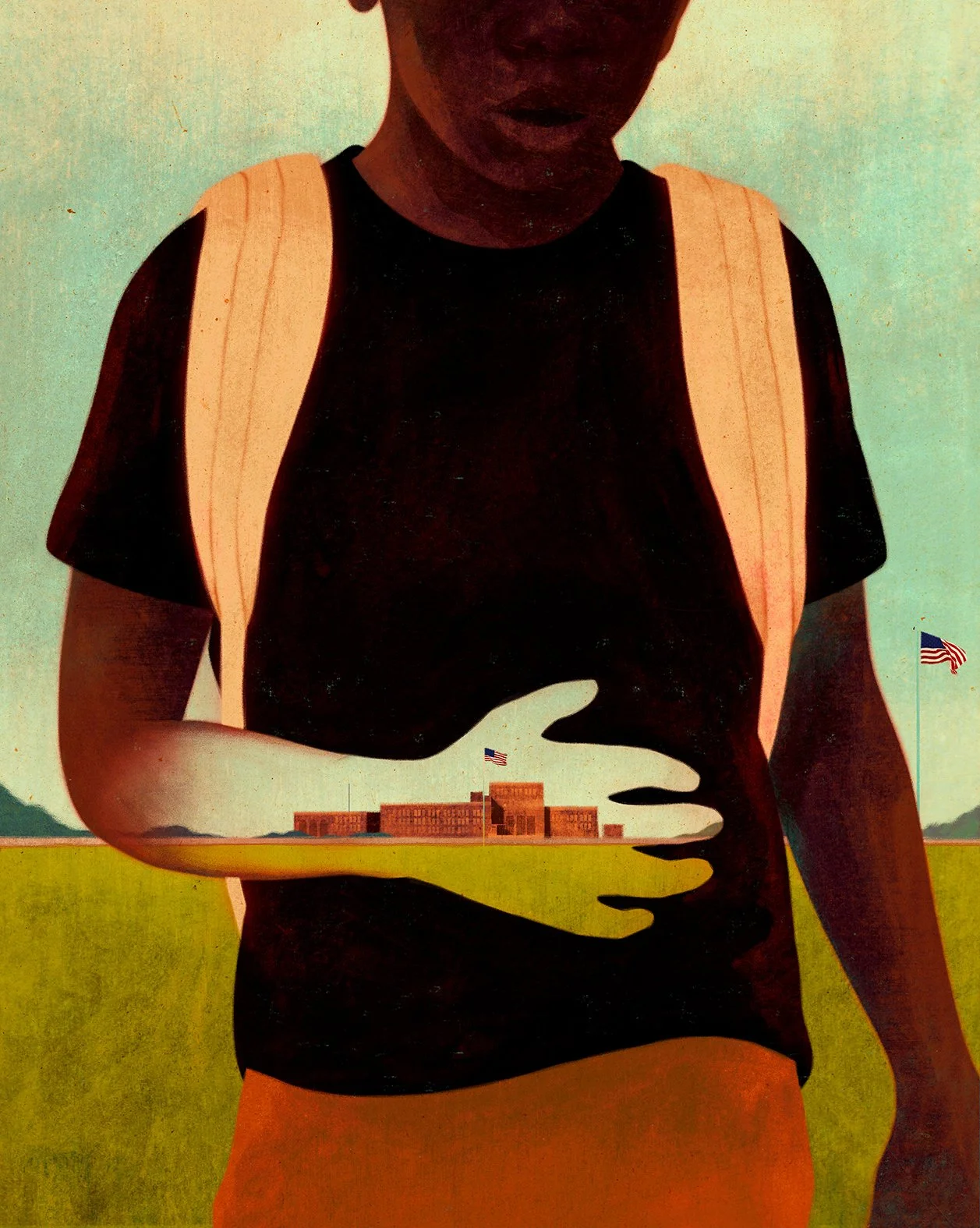
This is how Gent explores the play between image and idea: the process of taking words—sometimes even dull ones—and adding pictures that bring conflict and drama, while leaving the resolution happily unresolved.
