
From Ruins to Riches
Chasing the past. For over a decade, with a heavy camera bag in tow, Dimitri Bourriau has sought out desolate places around the world: the Baikonur cosmodrome, a ship graveyard in France, or any number of abandoned theaters across the former Soviet Union.
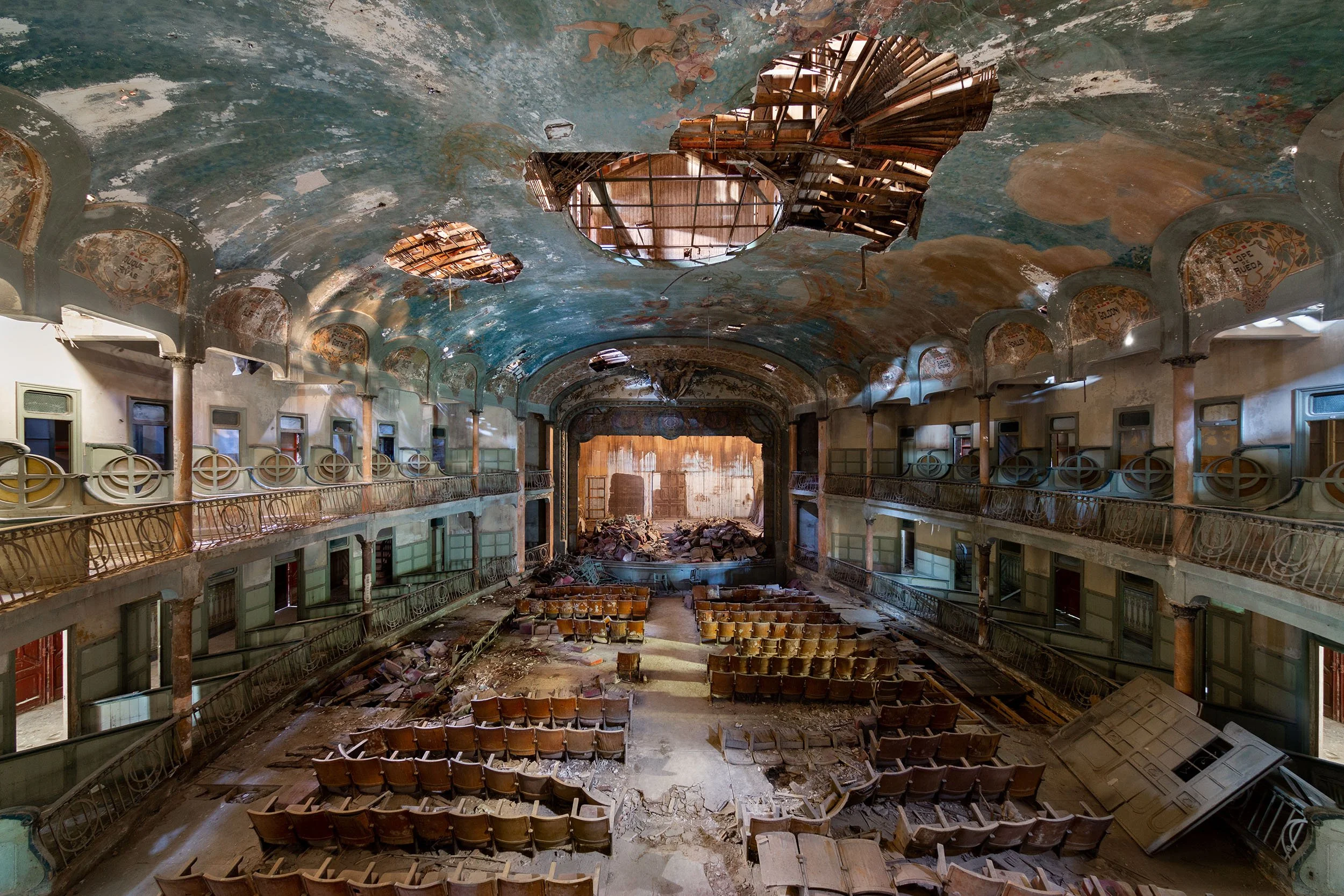
Atlantis Theatro, 2020. Image of the Gran Teatro Cervantes, Morroco.
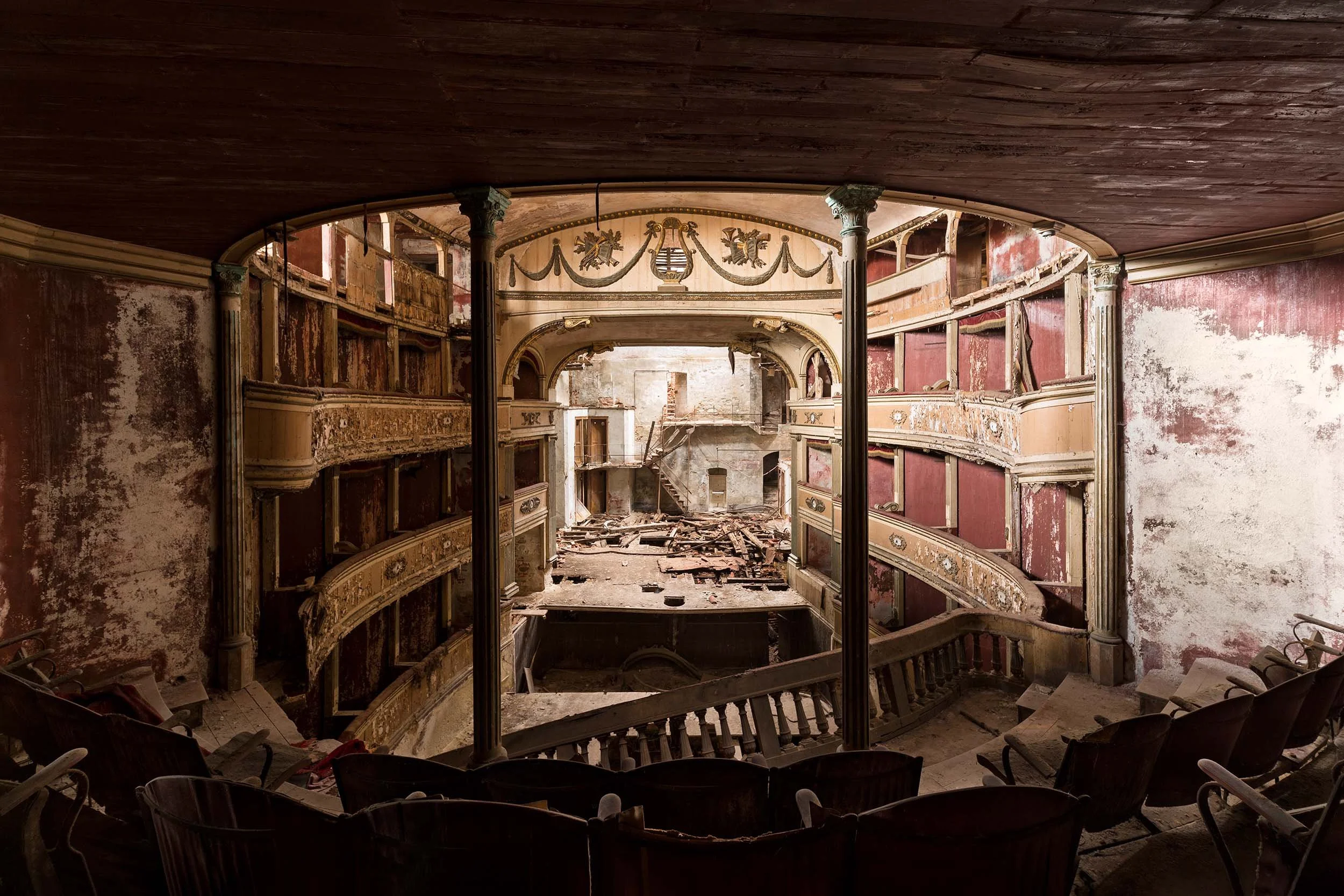
Teatro Colloseum, 2018. Italy.
But his newest endeavor is neither exotic, nor far flung. It takes him to the heart of Parisian culture: a lush, coffee-table-style book about grand theaters in the city. Far from abandoned, these buildings are cherished, celebrated, and above all, designed to impress.
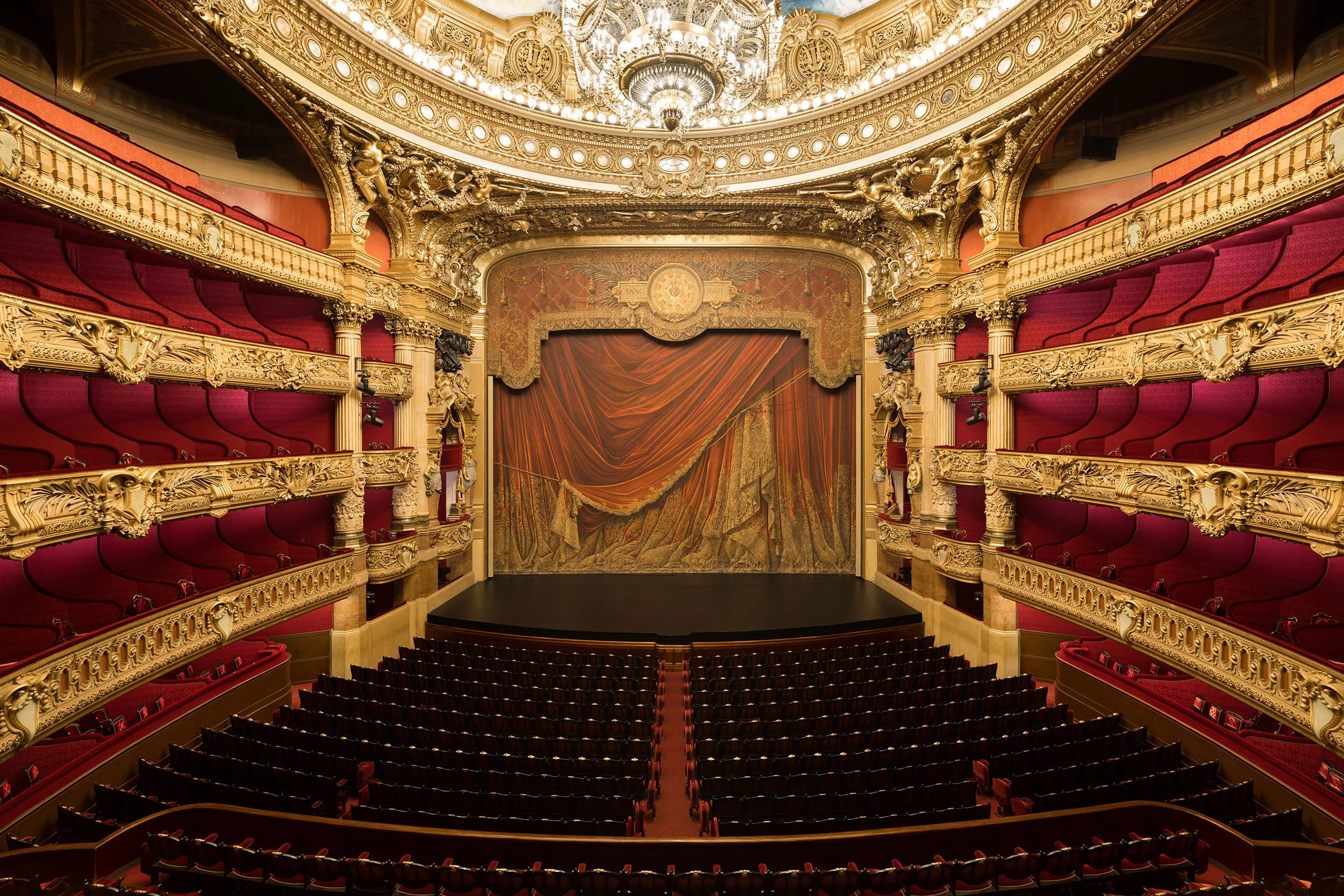
Palais Garnier, Théâtres Parisiens Lieux d’Exception, 2025.
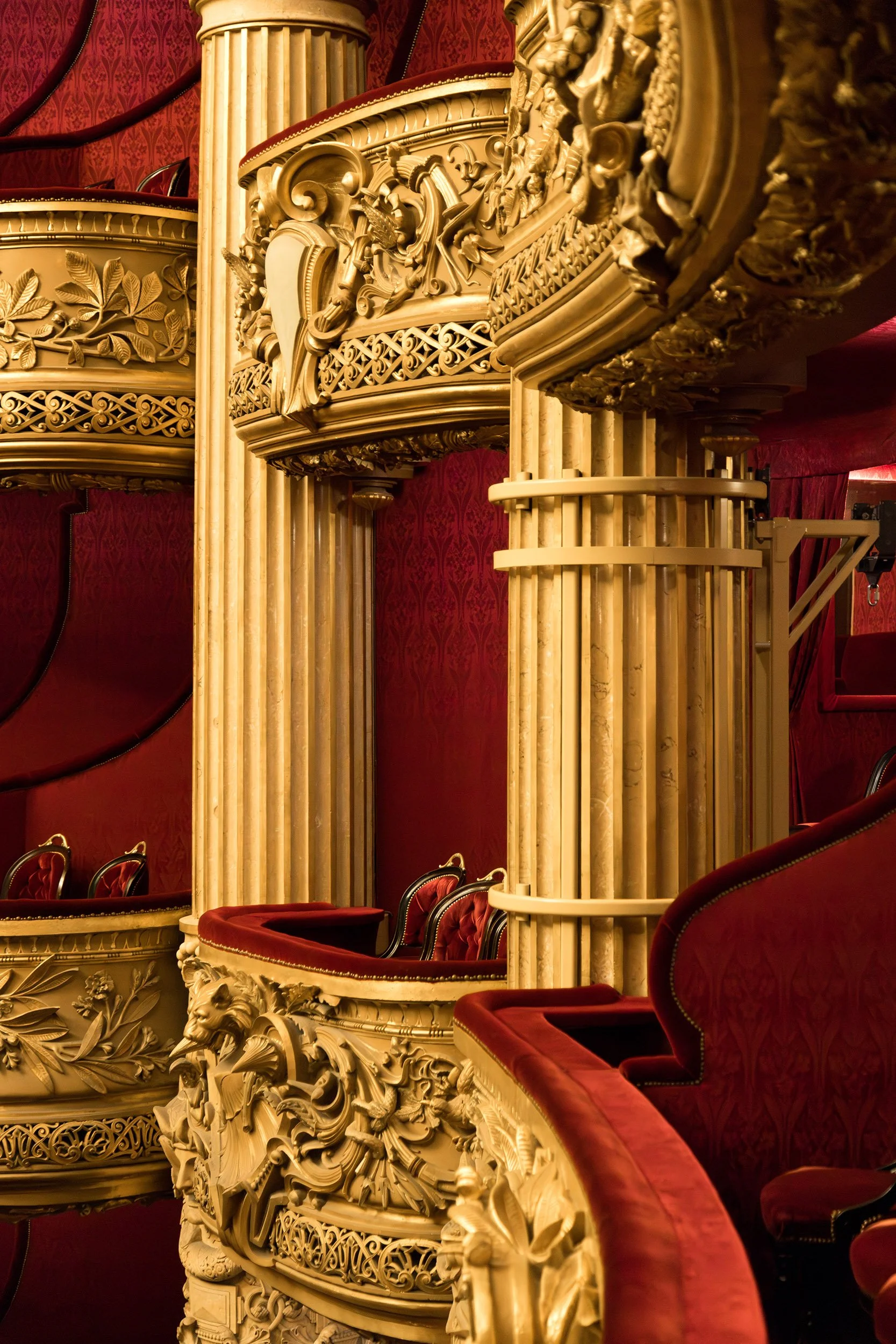
Palais Garnier, Théâtres Parisiens Lieux d’Exception, 2025.
This may seem a departure for Bourriau, but part of the problem lies in the genres he inhabits. His early career fits neatly into Urban Exploration, or Urbex—the practice of exploring abandoned, off-limits, and often condemned man-made places.
While a recognized pursuit with its own publications, Urbex is anything but a stylistic straitjacket. You can shoot abandoned places to appear spooky, awe-inspiring, or simply to appear as ruin porn.
Bourriau’s calling card is a combination of artistic rigor and raw emotion. Abandoned sites are messy, but he employs classical composition to insulate the viewer from the chaos, while waiting patiently for the perfect light to recapture their former glory.
“I've long been drawn to these environments because they seem to condense time,” he says.
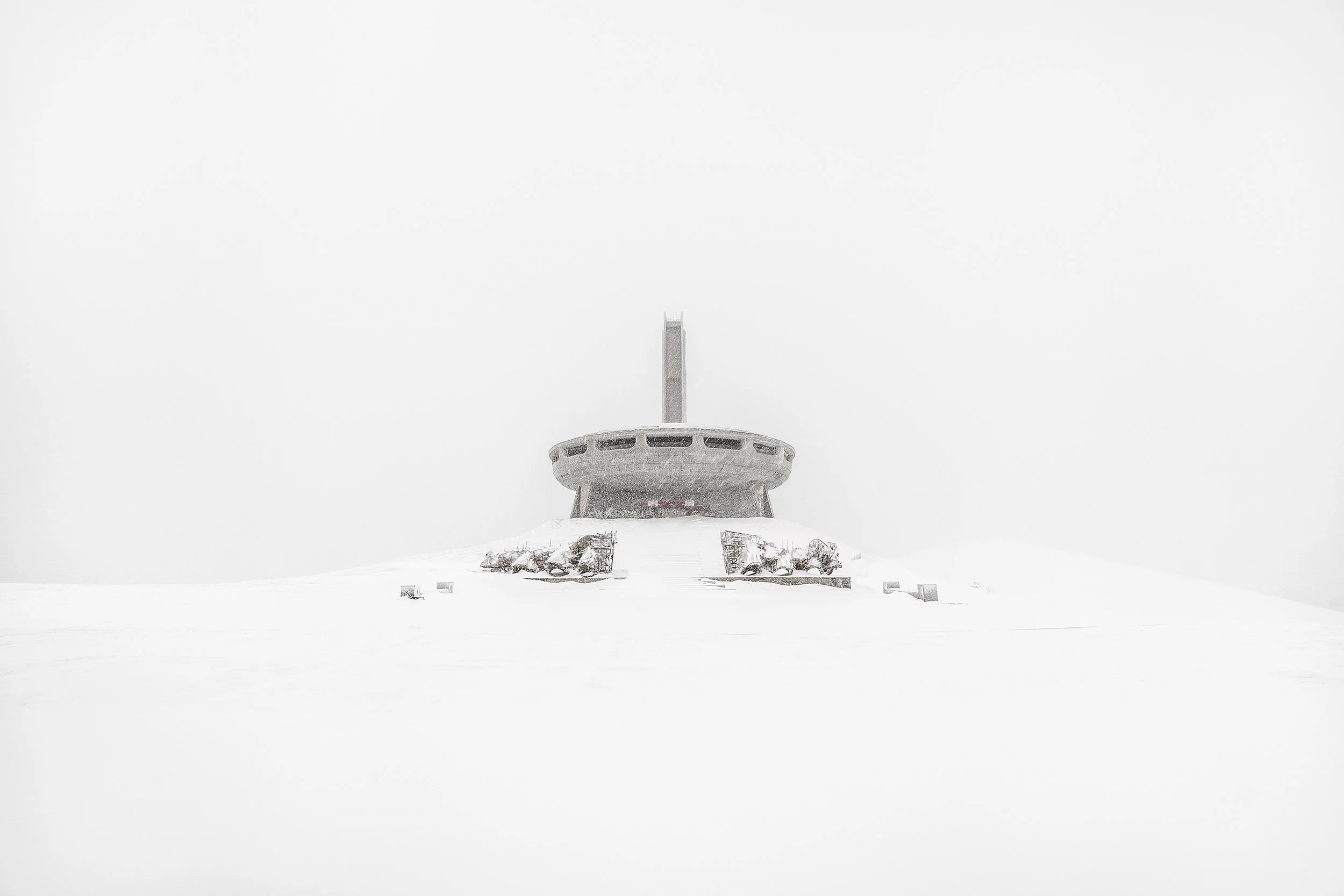
UFO Soviet, 2017. Buzludzha Monument, Bulgaria.
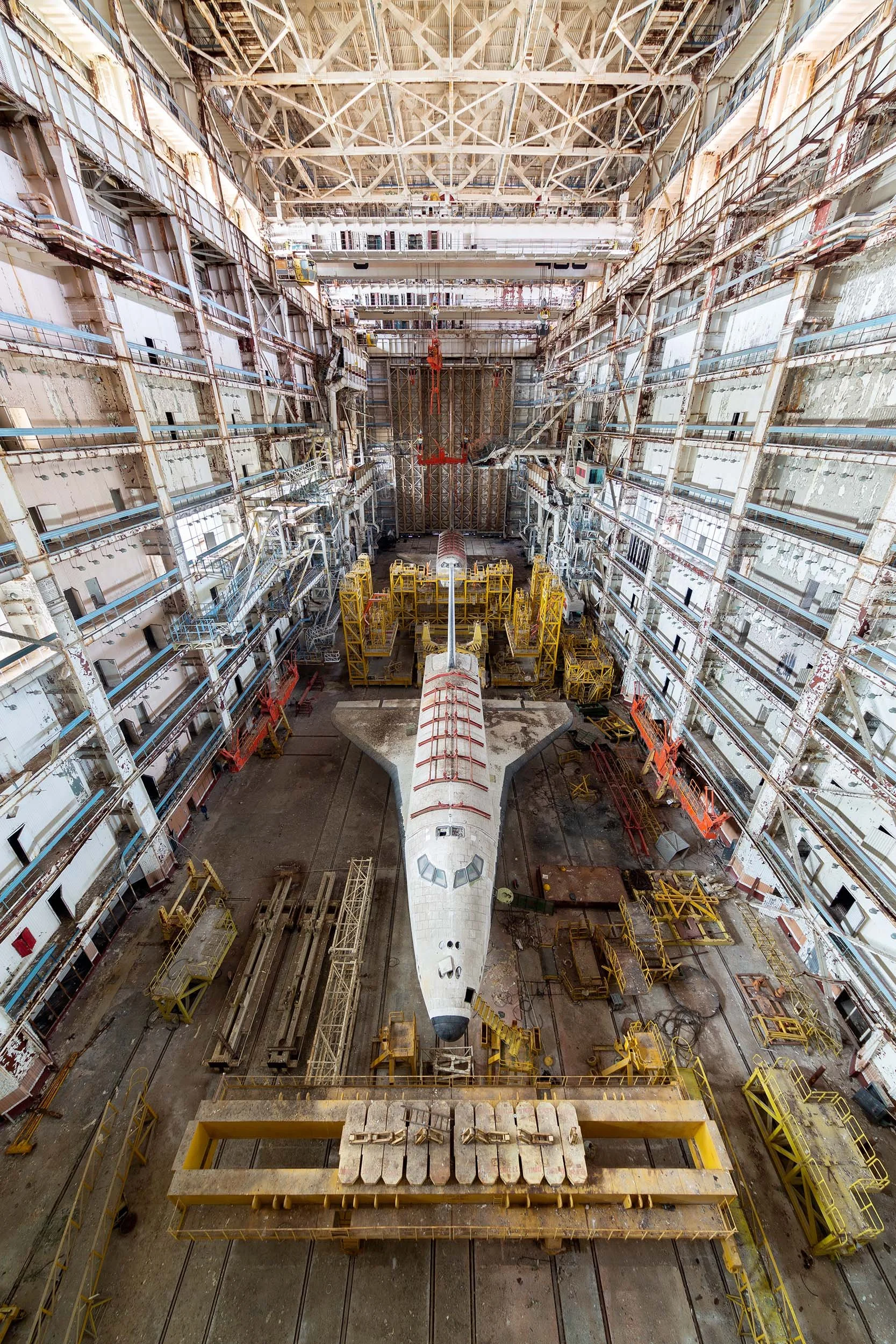
Snow Storm, 2019. Baikonur Cosmodrome, Kazakhstan.
His famous photo Snow Storm photo of a Soviet space shuttle offers an excellent example. He shot the decayed ship from above, filling the frame exactly as someone might have done at the height of its glory. This compresses the past and present and imbues the photo with a pathos that would elude an artist who simply tried to capture its demise.
The theaters of Paris offer a different challenge in that they require no historical resuscitation. They live today. They were designed to impress and have been preserved and updated to do just that. So how does Bourriau make the ready-made interesting?
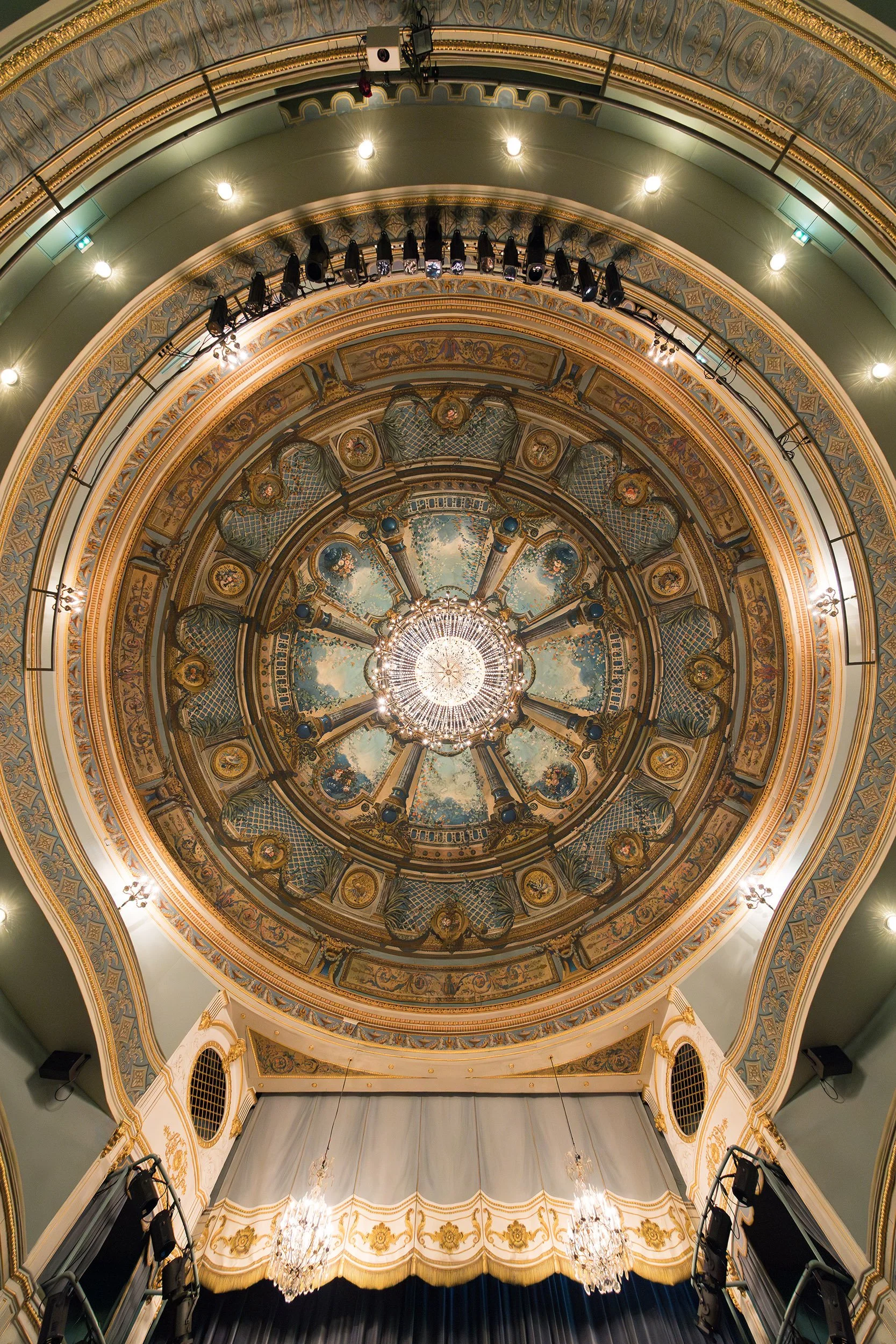
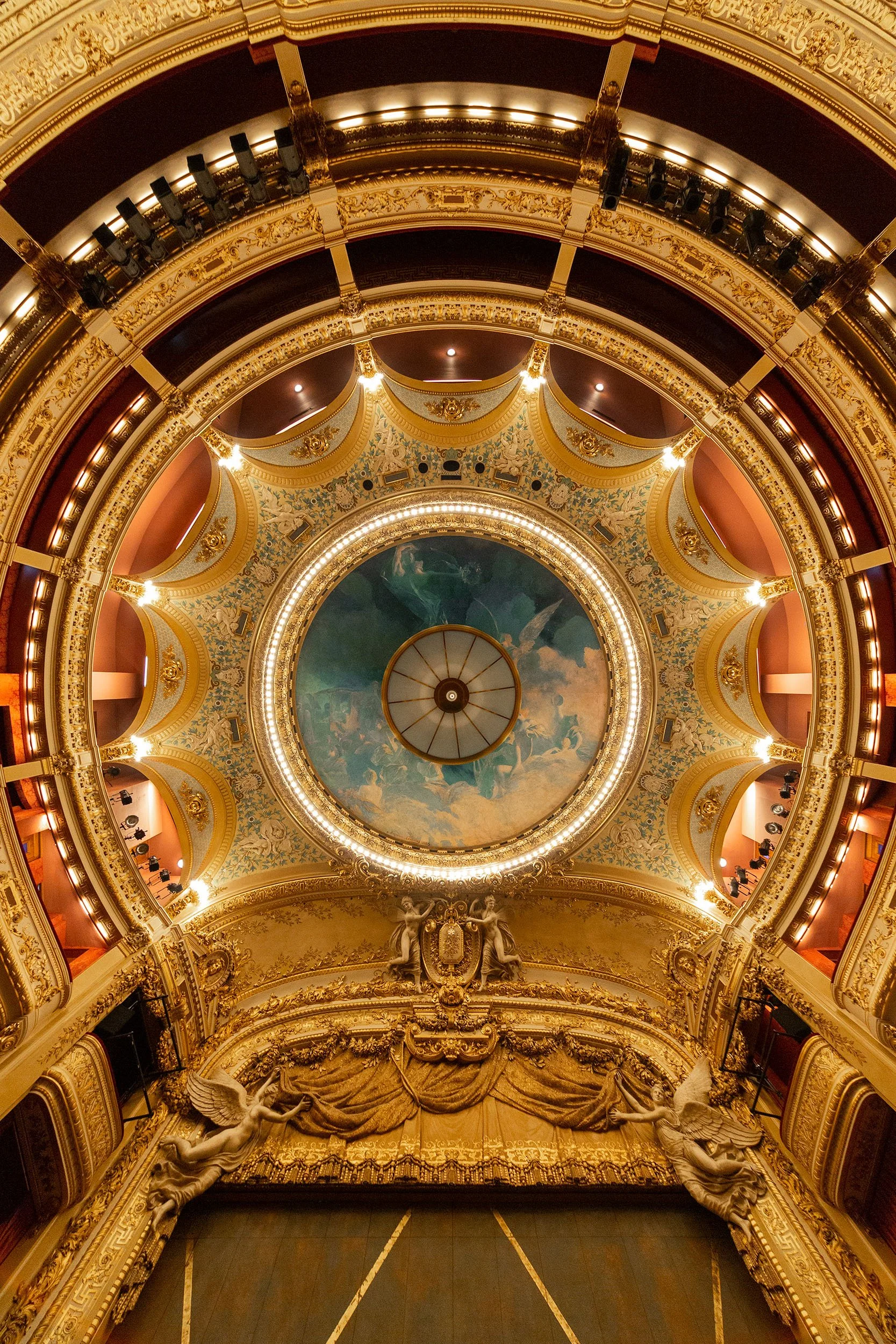
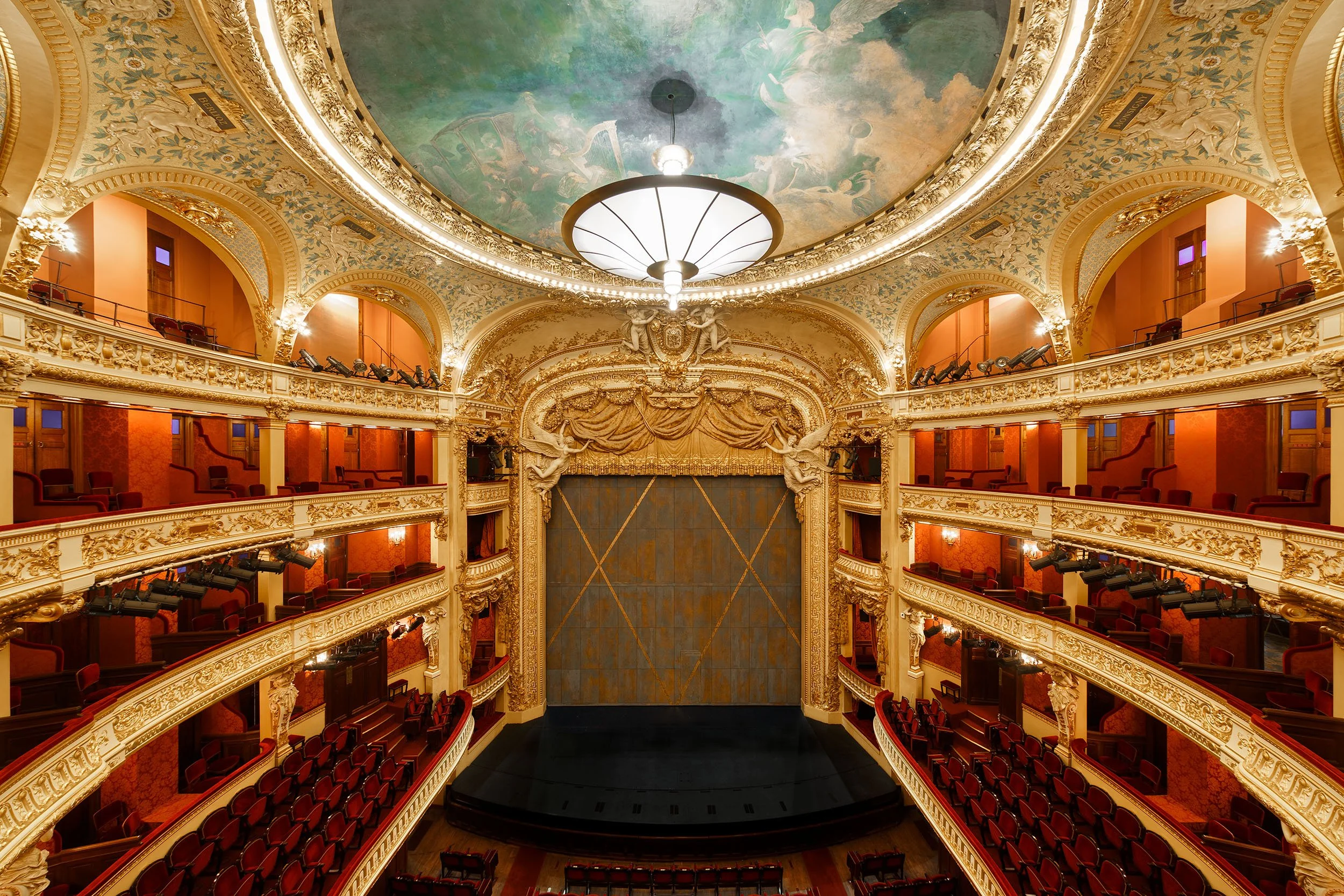
Théâtre National Opéra Comique. 2021. In Théâtres Parisiens Lieux d’Exception, 2025.
On the surface, his Parisian Theatres – Exceptional Venues is highly conventional. It consists of photographs of roughly 50 iconic venues around Paris. There’s no secret to their arrangement; they come in a geographical sequence that starts at Le Théâtre du Palais-Royal in the center of the city and gradually moves outward to the surrounding region, ultimately ending up in Le Théâtre Montansier at Versailles. Overall, this gives them a rough, but not exact stylistic timeline (the last theater in the book interestingly predates the first).
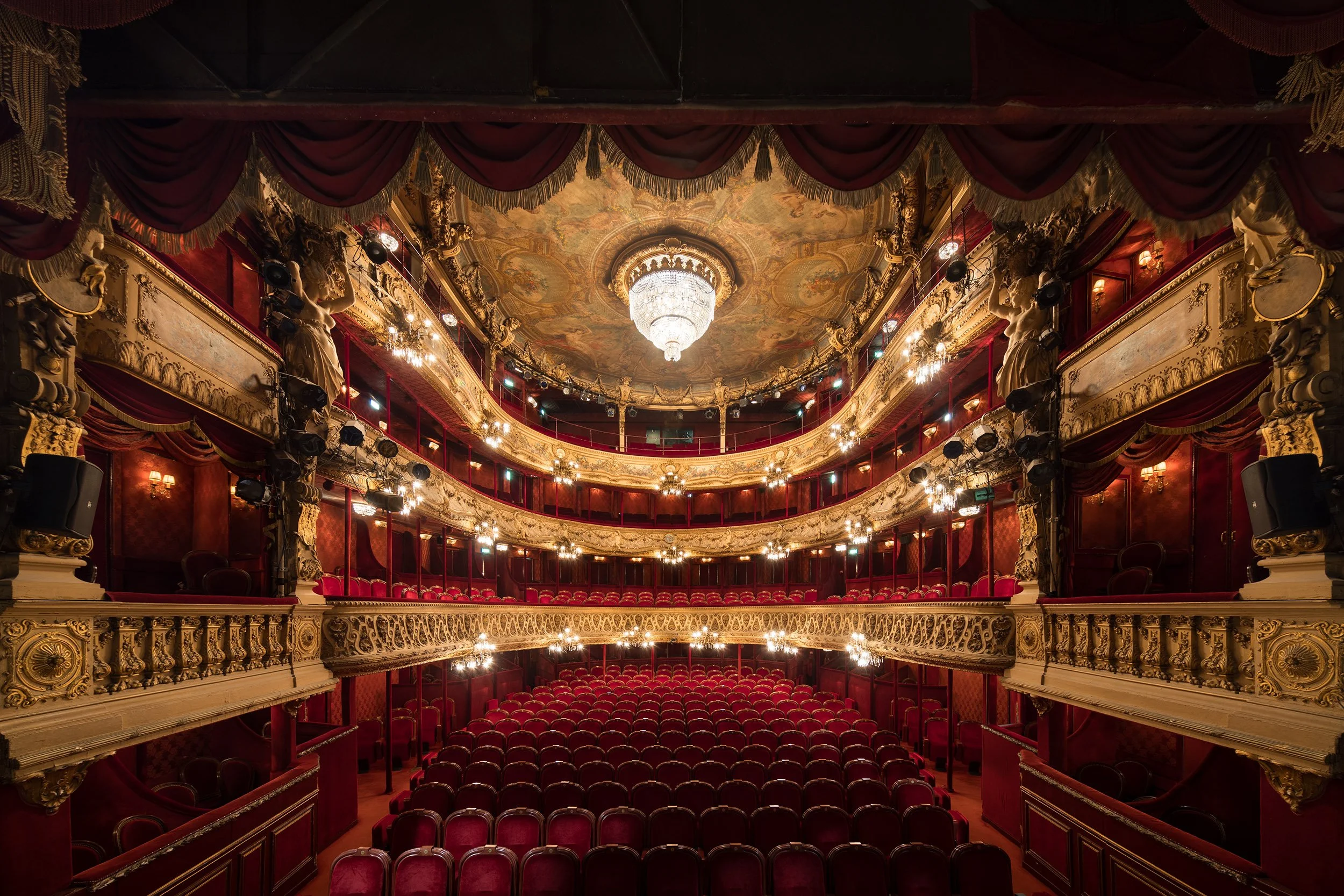
Théâtre du Palais-Royal, Théâtres Parisiens Lieux d’Exception, 2025.
As you move from theater to theater, a strict compositional pattern emerges. Bourriau has shot each one from similar viewpoints, most notably the façade and back wall. Each also contains shots of ornamentation, even in instances, such as Le Louxor, where it can be spare and uncomfortably Orientalized.
“This consistency allows viewers to compare the spaces,” Bourriau says. “Beyond that, I aimed for unity in lighting and composition—neutral enough to let architectural differences emerge without excessive dramatization.”
In other words, it’s not about finding the coolest detail; indeed, he actively seeks to avoid that. “Photographing a theater,” he says, “requires resisting a beauty that is already asserted.
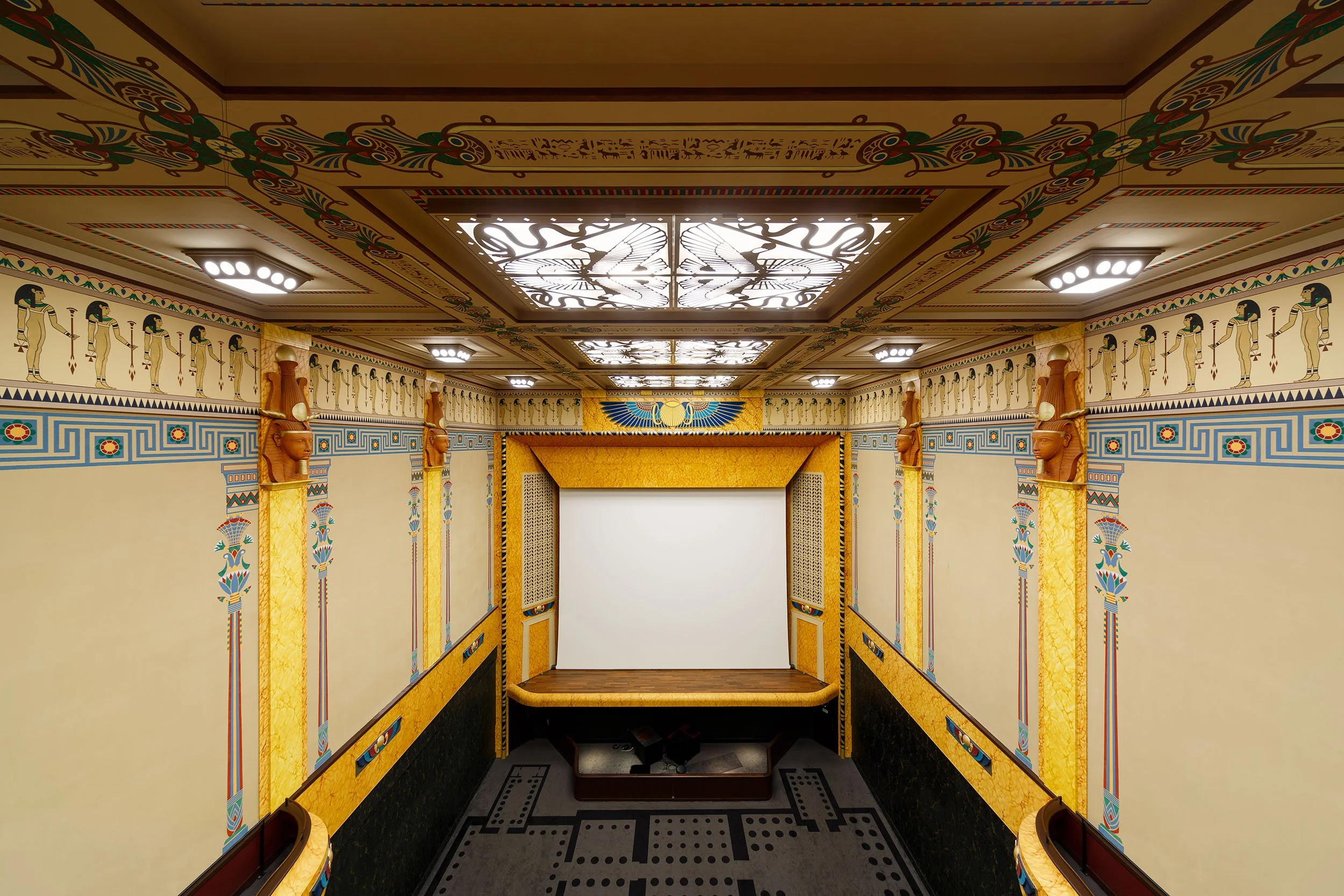
Le Louxor, 2021. In Théâtres Parisiens Lieux d’Exception, 2025.
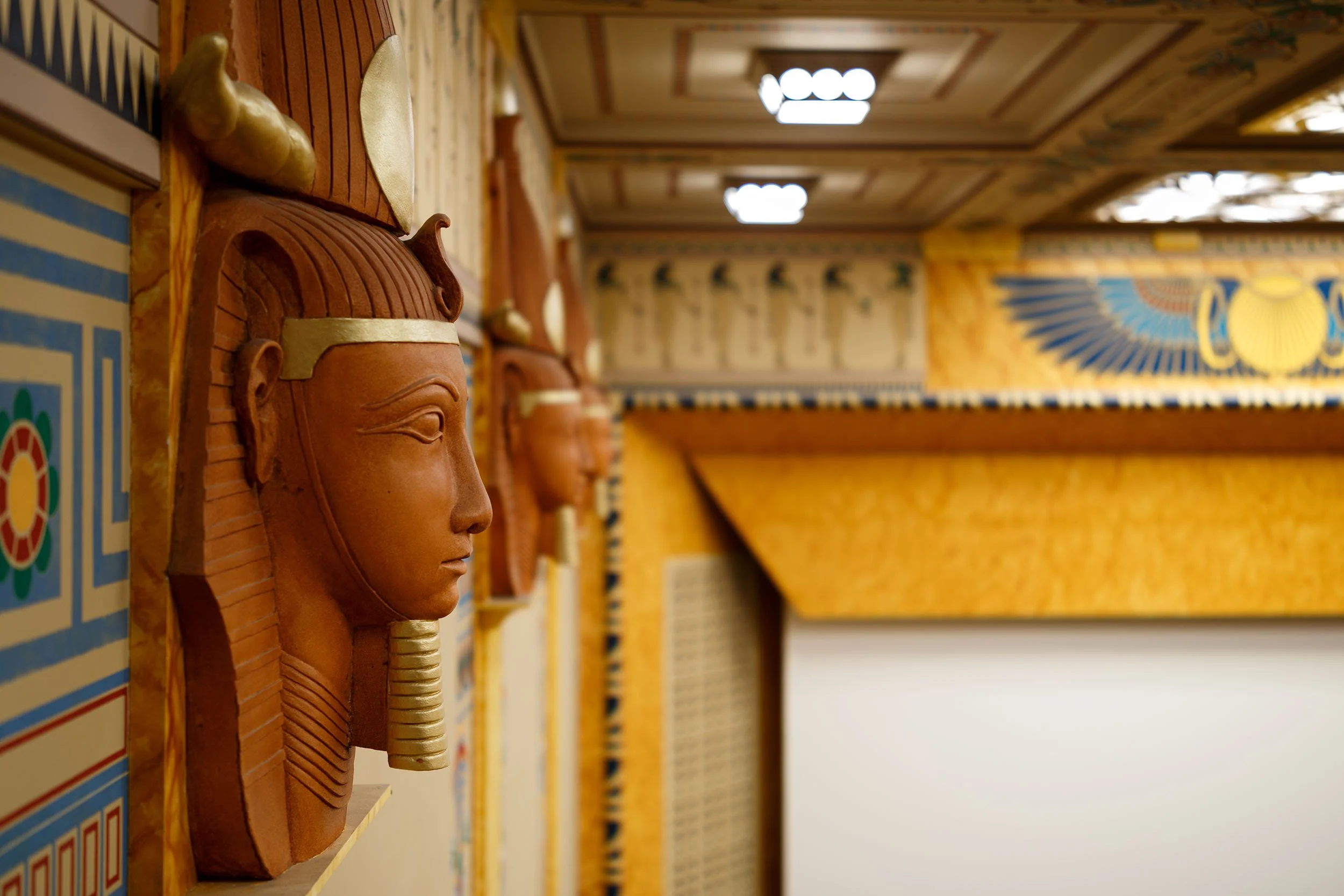
Le Louxor, 2021. In Théâtres Parisiens Lieux d’Exception, 2025.
“My task is not to surrender to the spectacle, but to find balance, to maintain an architectural reading of the space.”
This approach allows the differences to emerge. The book opens with Le Théâtre du Palais-Royal, a classic example of Italianate seating, with a pit and balconies arranged in an elliptical shape around the stage. This harks back to an era of extreme social stratification prior to the Revolution, when being seen was as important as seeing.
At the other end of the spectrum is Le Grand Rex, an Art Deco masterpiece, with 3,000 seats. Even today, its viewers marvel at the projected ceiling with its twinkling stars and atmospheric light. Nonetheless, the view is plainly democratic: all you have to do is look up to get the same experience as everyone else.
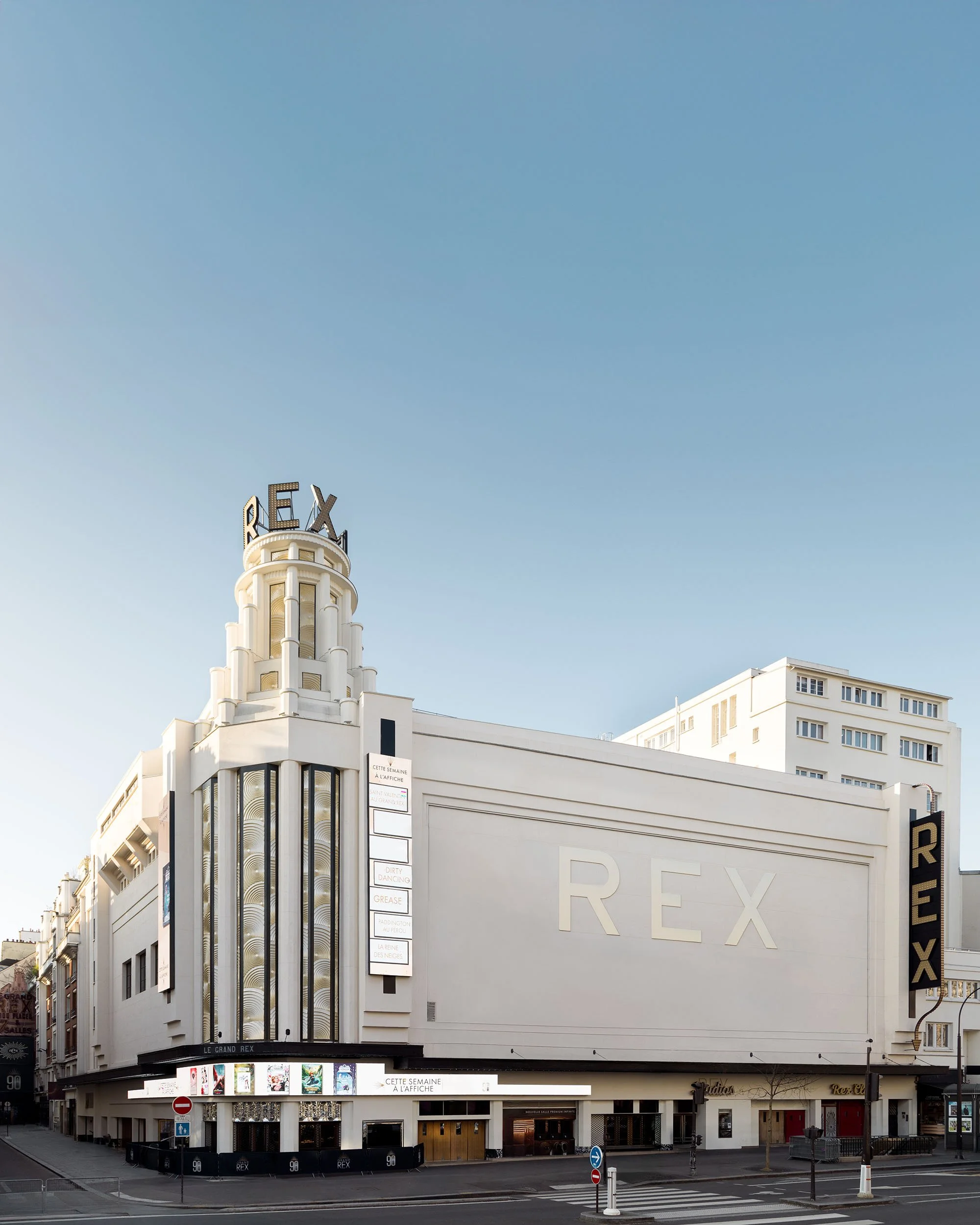
Le Grand Rex, Théâtres Parisiens Lieux d’Exception, 2025.
“I wanted to photograph [theaters like the Rex] with the same rigor as more classical venues,” he says, “so they belong to the continuity of the project while retaining their singular character."
This makes Bourriau’s book interesting beyond its subject matter, and a distinct effort from the unending parade of French architectural coffee-table books. Rather than a series of gorgeous images, it unites past, present, and future—and our reactions to it. The photos may lack the pathos of his Urbex work, but they tell us much more about ourselves and how we arrange and navigate public spaces.
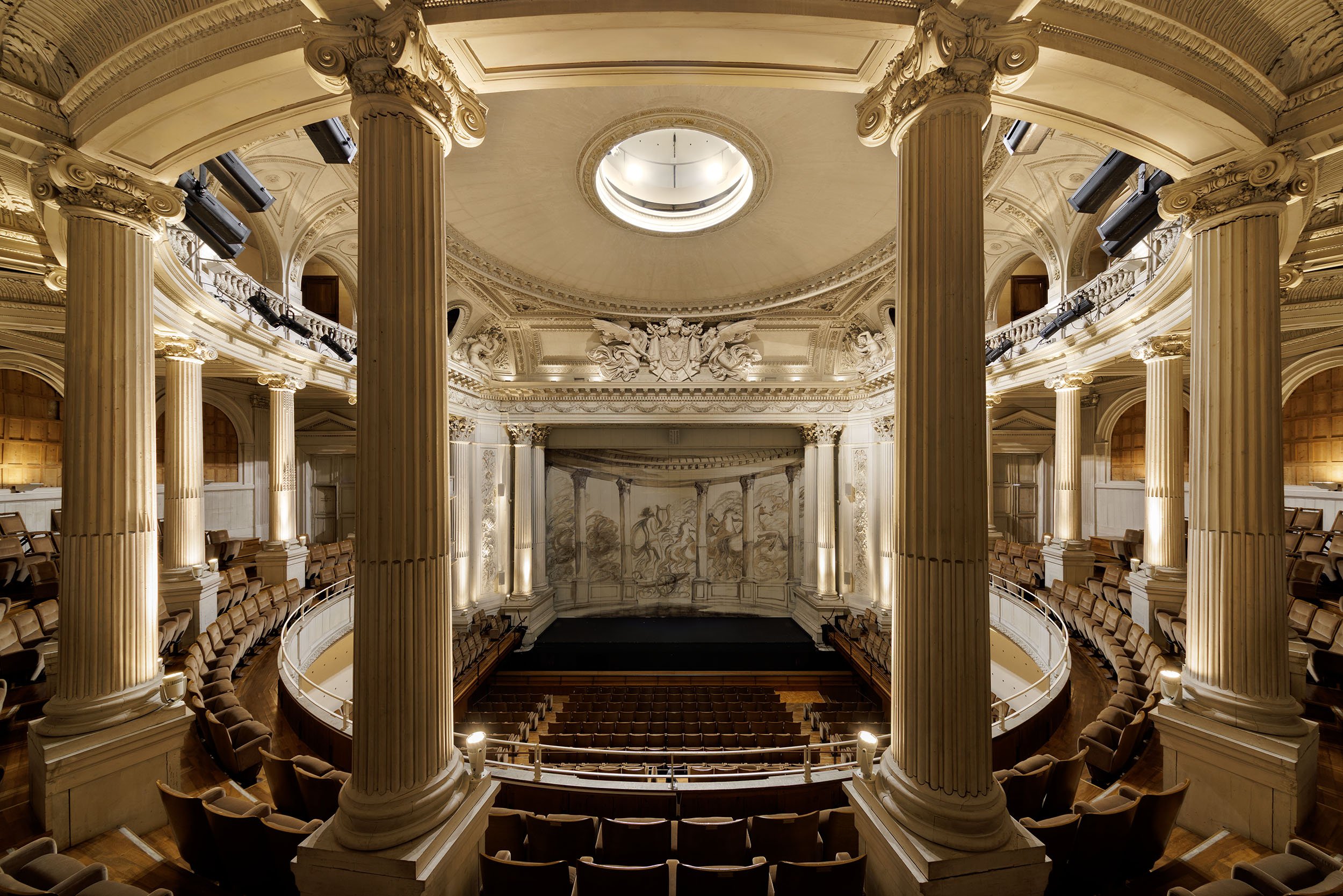
Le Théâtre Impérial, Opéra de Compiègne, Théâtres Parisiens Lieux d’Exception, 2025.
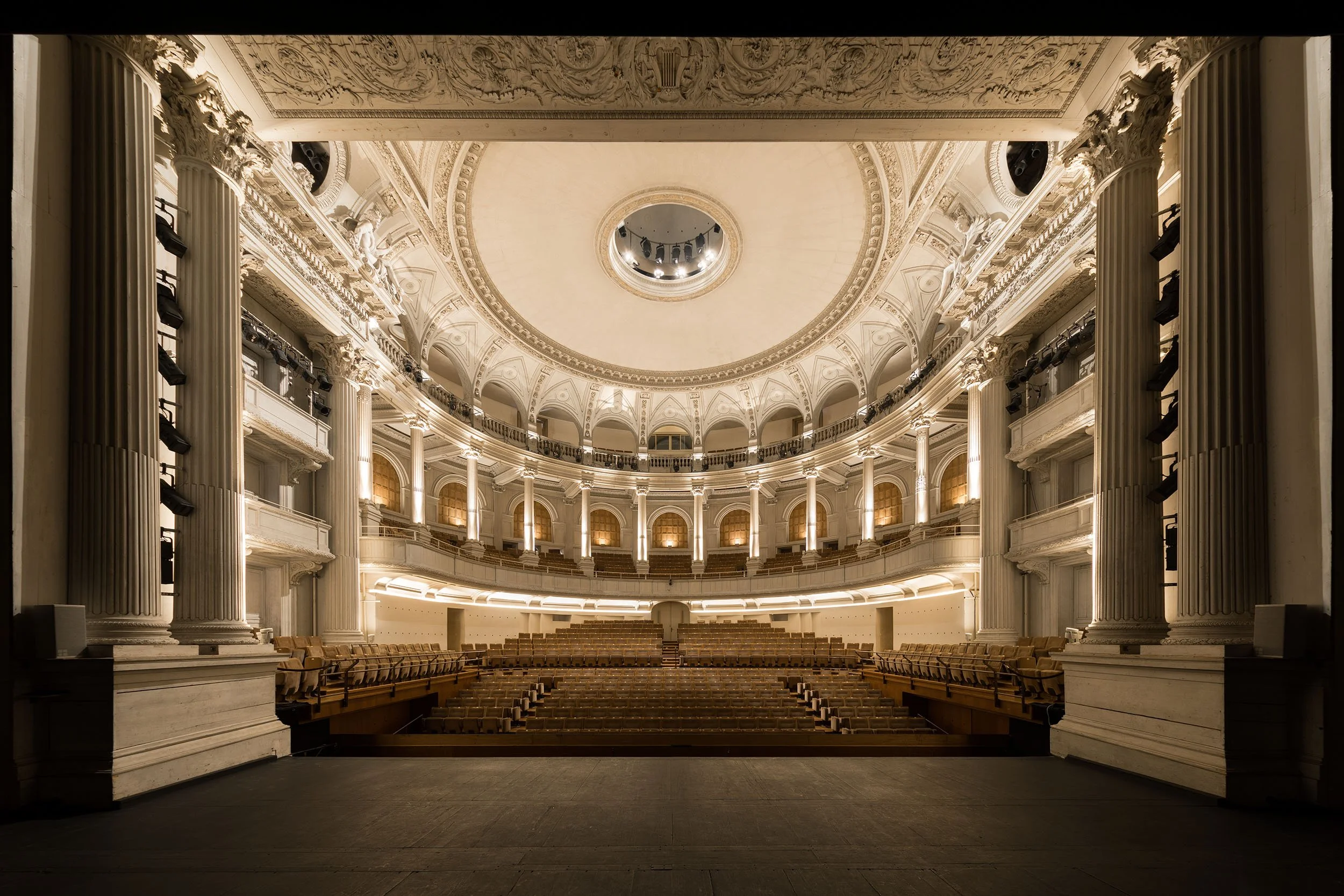
Le Théâtre Impérial - Opéra de Compiègne, Théâtres Parisiens Lieux d’Exception, 2025.
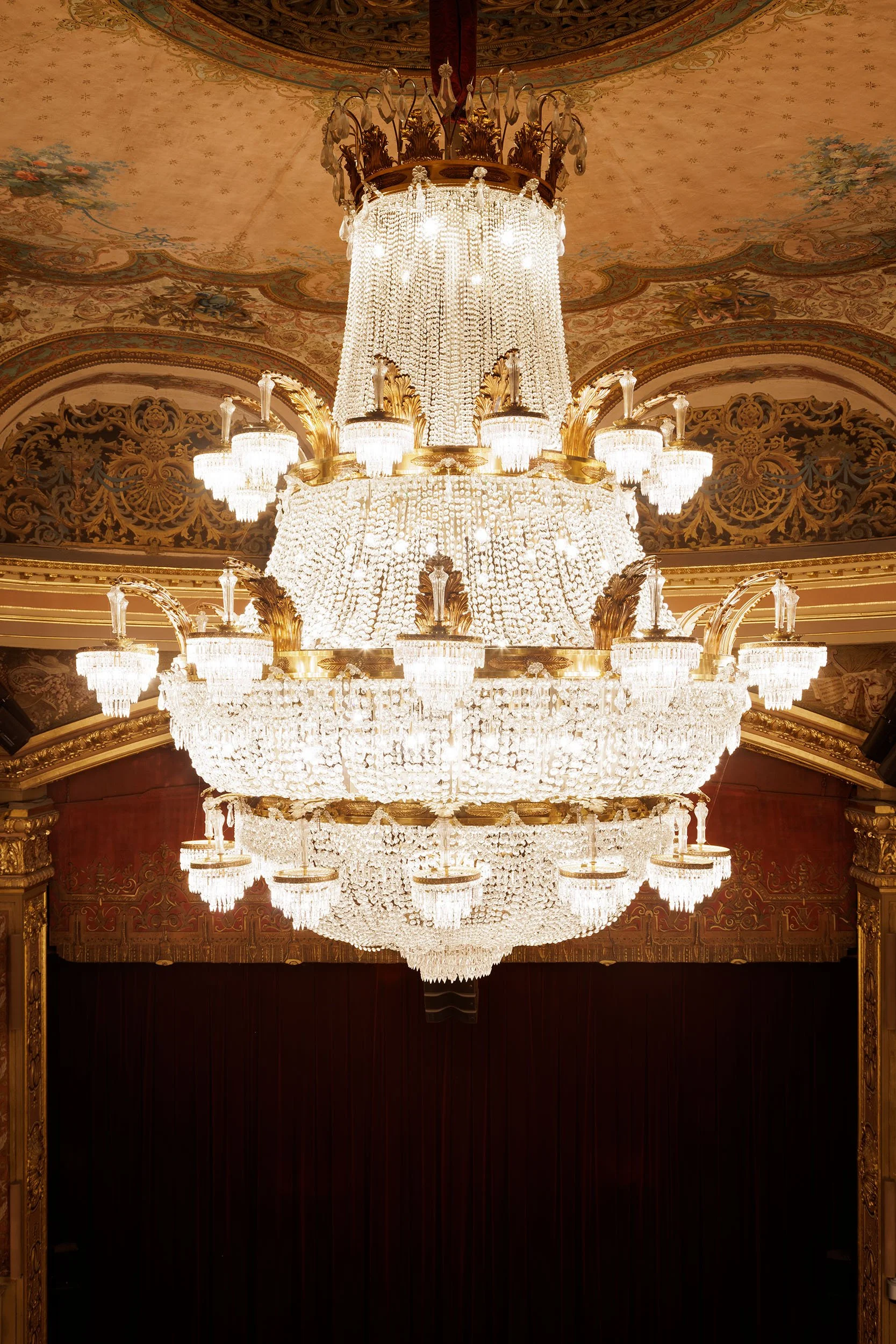
Le Théâtre des Variétés, Théâtres Parisiens Lieux d’Exception, 2025.
Moving forward, Bourriau sees himself concentrating less on exotic travel, and more on the unexplored images in his own backyard. However, in the hands (and viewfinder) of the right photographer, even the commonplace can become notable, depending on the choices made.
“Each body of work redefines my relationship to space and memory,” he says. “Beneath the apparent diversity of subjects lies a single question: how architecture shapes our collective experience, and how photography can reveal its emotional and sensory dimension.”
